Thinking about Fort Myers or Cape Coral for your next move and not sure which fits your lifestyle? You are not alone. These neighboring Lee County cities offer very different vibes, housing options, and HOA considerations that can shape your day-to-day life and long-term costs. In this guide, you will learn how the two cities compare on homes, HOAs, insurance, flood risk, taxes, utilities, and more so you can choose with confidence. Let’s dive in.
Big picture: two Gulf neighbors
Fort Myers and Cape Coral sit side by side in Southwest Florida, yet they feel distinct. Fort Myers is the county seat with a historic River District, cultural attractions, and a more traditional urban core. Cape Coral is larger by land and population, with a suburban layout built around an extensive canal system that draws boaters and waterfront buyers.
Both markets move with broader Gulf Coast dynamics, including in-migration, retiree and second-home demand, and seasonal activity. Pricing and inventory vary by property type. Canal-front homes and new construction tend to command premiums, while condos and older single-family homes can be approachable entry points. Always verify current data through the local MLS before you make pricing decisions.
Housing styles and neighborhoods
Cape Coral homes and canals
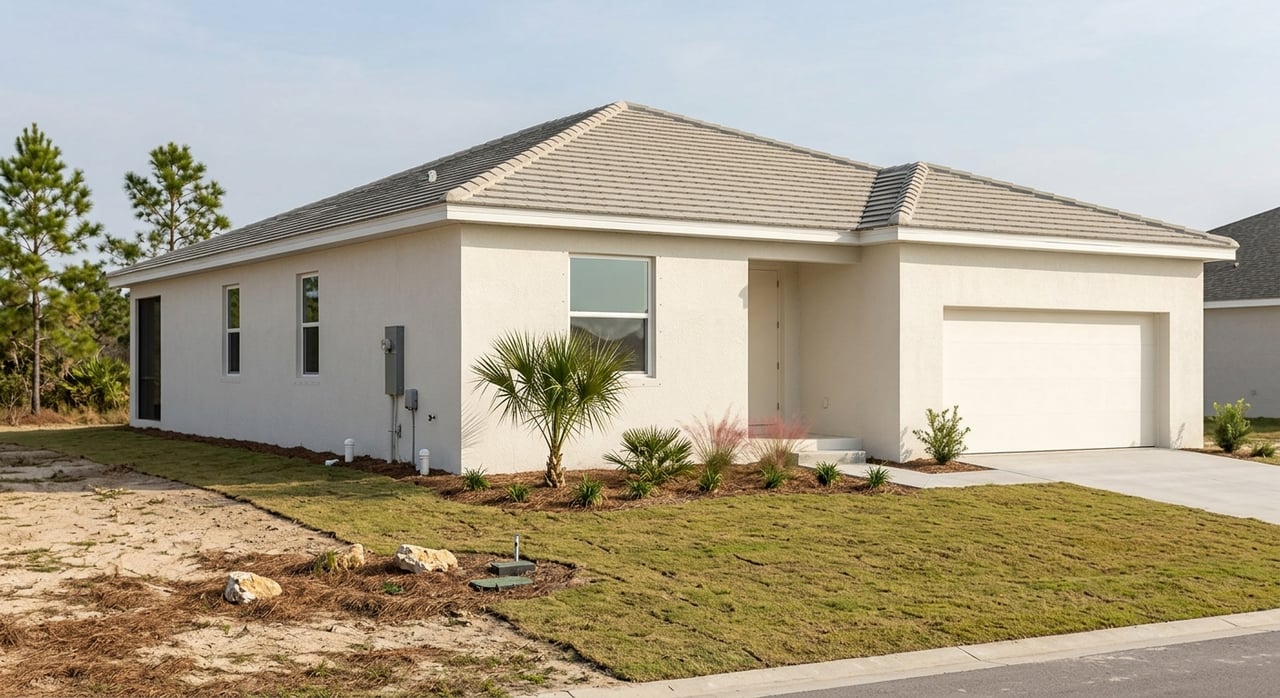
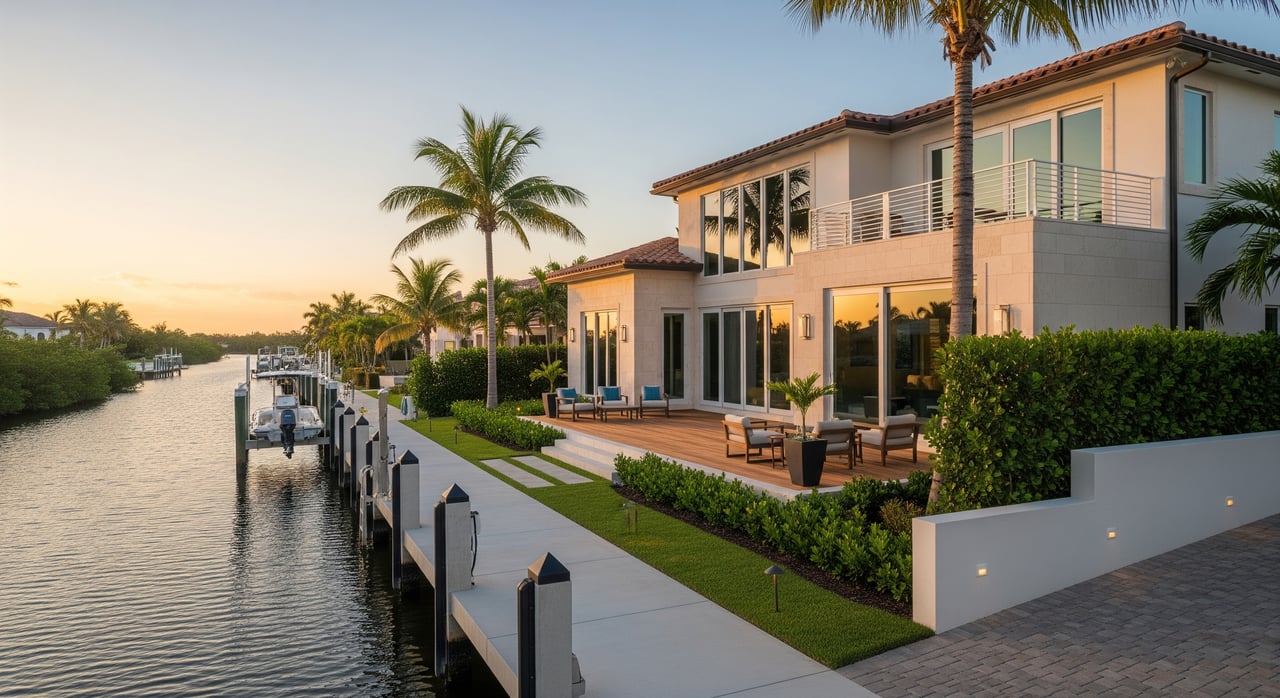
If water access is on your wish list, Cape Coral delivers. You will find a high share of single-family homes, many on canal or near-water lots, often with docks or lifts. Subdivisions and planned communities are common, and newer construction continues to add choices for buyers seeking modern finishes and layouts. The lifestyle centers on privacy, yards, and easy boating.
Fort Myers mix and downtown
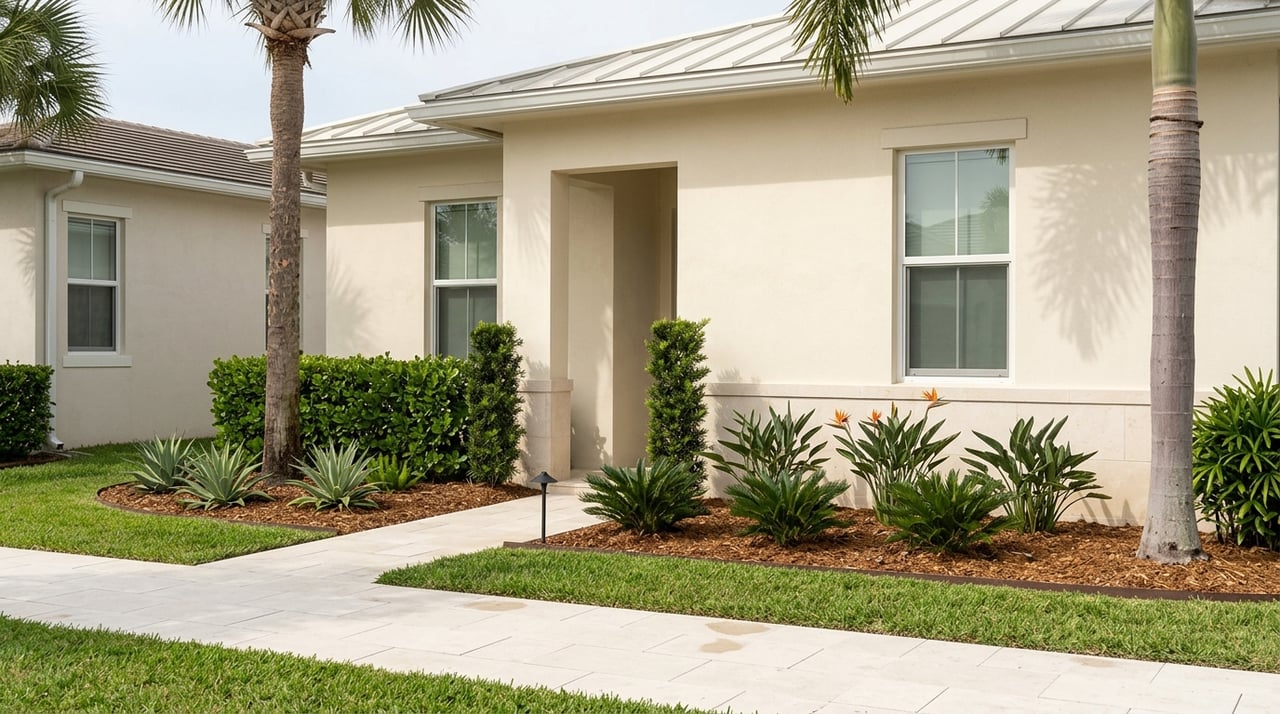
Fort Myers offers a broader mix of housing types. You will see historic single-family streets, riverfront properties, and a range of condominiums and townhomes. The River District provides walkable access to dining, arts, and riverfront parks. If you want urban amenities with shorter trips to services and healthcare, this side of the river can make daily life simpler.
Lifestyle and amenities
Boating and water access
Cape Coral’s canal network makes boating and fishing a core lifestyle feature. Many residents prioritize dock access and time on the water. Fort Myers also offers riverfront recreation, yet the experience leans more toward city conveniences and cultural events.
Dining, arts, and culture
Fort Myers shines with museums, festivals, and historic sites such as the Edison and Ford Winter Estates. The River District’s restaurants and riverfront parks make it easy to enjoy an evening out. Cape Coral continues to expand with neighborhood parks and shopping centers that support everyday living.
Commute and airport access
Both cities are car oriented. Fort Myers concentrates job and service centers, which can shorten commutes depending on where you work. Access to I-75 and Southwest Florida International Airport supports regional travel, and your routine will depend on your neighborhood and cross-river trips.
HOA basics in Lee County
Where HOAs are common
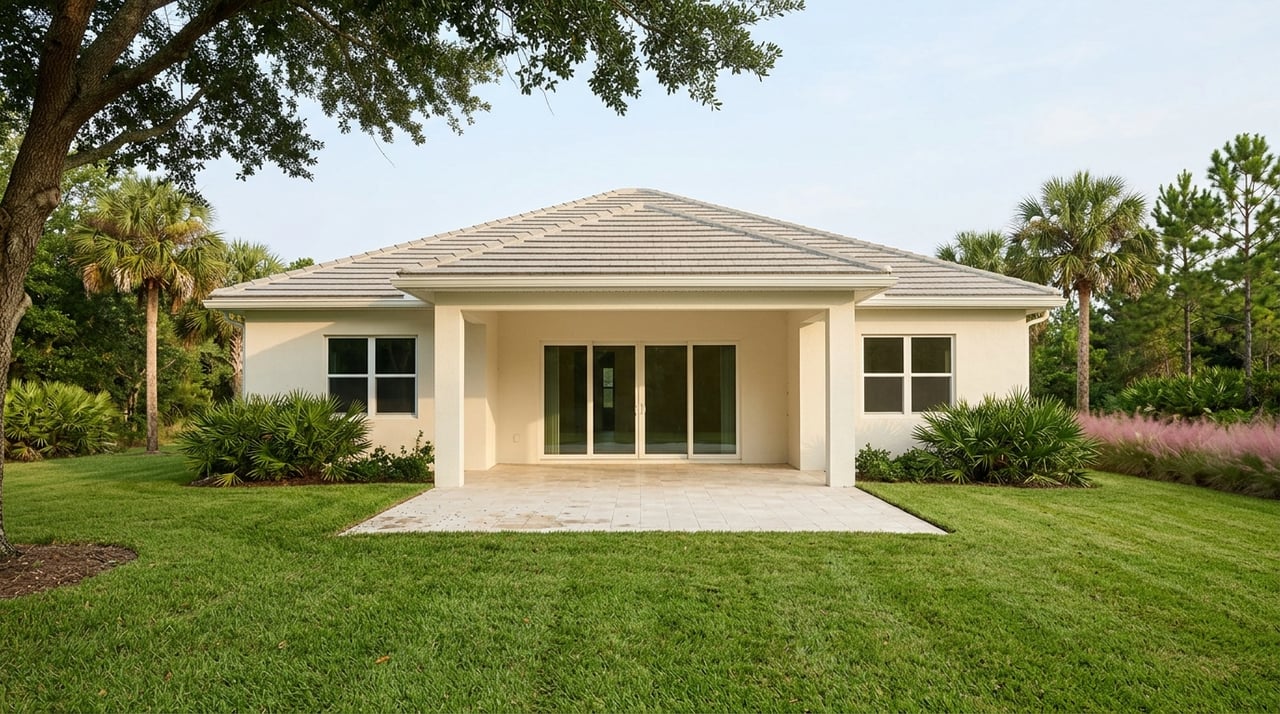
Expect HOAs in many newer planned communities, gated subdivisions, and virtually all condominium buildings. Cape Coral has many HOA-governed neighborhoods due to subdivision development. Fort Myers includes both non-HOA historic neighborhoods and HOA or condo communities, especially in newer areas.
Key rules and fees
Most associations regulate exterior standards, landscaping, parking, pets, and use of amenities. Fees vary widely. Communities with pools, fitness centers, docks, private roads, or security typically carry higher dues and larger reserves. Condo associations may levy special assessments for capital work such as roofs or structural repairs. Review the budget, reserve study, and history of assessments before you commit.
Florida statutes overview
Florida has two primary statutory frameworks that guide associations:
- Chapter 718, the Condominium Act, for condo associations.
- Chapter 720, the Homeowners’ Association Act, for most HOAs.
These laws address governance, owner rights, budgets and reserves, assessments, records, and enforcement powers such as liens. Florida also sets disclosure requirements at resale, including condominium resale certificates and HOA estoppel or disclosure documents.
Smart due diligence
Ask for and review the governing documents, rules, recent meeting minutes, budgets, financials, reserve studies, insurance schedules, and any pending litigation disclosures. Pay attention to rental policies and pet rules since these impact usage and resale. Open litigation or thin reserves can affect financing, insurance costs, and future assessments. Include an HOA or condo document review contingency to protect your timeline.
Selling in an HOA
If you plan to sell, request required resale documents early to prevent delays. Correct obvious covenant issues before listing and disclose any special assessments or known repairs. Coordination with the association on access and paperwork keeps the process smooth.
Investors and rentals
Some HOAs and many condo associations restrict rentals through minimum lease terms, caps on the number of rented units, or approval processes. If you are buying with rental income in mind, confirm the current rules and any proposed amendments. Rules shape your revenue potential and holding strategy.
Cost and risk factors to weigh
Insurance and storms
Southwest Florida is hurricane prone, which influences homeowner’s insurance pricing and availability. Coverage and premiums vary by construction type, roof age, proximity to the coast, and elevation. Some policies exclude named-peril windstorm coverage without separate plans. Many owners use private carriers or the state-backed market of last resort when needed. Get quotes early in your search.
Flood zones and canals
Waterfront and low-lying canal neighborhoods can fall within FEMA special flood hazard areas. Lenders often require flood insurance for properties in those zones. Order a flood zone determination and consider an elevation certificate to understand risk and premiums. For canal homes, also plan for seawall and dock maintenance.
Property taxes overview
Property taxes are based on assessed value with county and municipal millage rates and special districts. Eligible owners may qualify for exemptions such as homestead. Verify the parcel’s current assessed value, recent assessments, and rates through the county before setting your budget.
Utilities and maintenance
Some areas are on municipal water and sewer, while others may rely on private utilities or septic. Confirm service types for any property you are considering. Canal-front homes may also require permits and ongoing upkeep for seawalls or docks, which can add to long-term costs.
Schools and services
Both cities are served by Lee County Schools. Attendance zones and program offerings can vary by address. If schools matter to your decision, review current boundary maps and official performance data from the district and state.
Resilience and planning
City and county plans for stormwater, sea-level rise, and infrastructure improvements can affect future risk and neighborhood appeal. Ask about any projects or policies that may impact your property over time.
Which city fits you?
If you want single-family living with a strong boating lifestyle, Cape Coral’s canal homes are a natural fit. You get space, privacy, and frequent opportunities for dock access. If you prefer walkable access to dining, arts, and services, Fort Myers offers a mix of condos, townhomes, and historic streets near the River District.
Both cities can work for primary residences, second homes, and investments. Your best choice depends on how you value water access, commute patterns, HOA structures, and the variety of homes available.
Quick buyer checklist
- Review HOA or condo documents, rules, budget, and reserve study.
- Confirm any pending or recent special assessments or litigation.
- Obtain homeowner’s, wind, and flood insurance quotes early.
- Order a flood zone determination and consider an elevation certificate.
- Inspect seawalls and docks for canal properties and verify permit needs.
- Confirm utilities, including water, sewer, irrigation, or septic.
- Check zoning and any planned city or county projects nearby.
- For condos, confirm parking, storage, elevator details, and obtain recent meeting minutes.
Quick seller checklist
- Pre-order required HOA or condo resale documents to avoid delays.
- Resolve visible covenant issues or disclose them up front.
- Gather records for repairs or improvements such as roof, seawall, or HVAC.
- Coordinate with the association for buyer access and document delivery.
Choosing between Fort Myers and Cape Coral comes down to how you want to live each day and what you expect from your community. If you want guidance from a team that knows the canals, HOAs, and neighborhood nuances, we are here to help. Connect with Pelican Vista Realty to compare homes, evaluate HOA documents, and plan for ownership, including management options if you need them.
FAQs
What are the main lifestyle differences between Fort Myers and Cape Coral?
- Fort Myers offers a walkable River District and cultural venues, while Cape Coral emphasizes single-family living and canal-focused boating access.
How common are HOAs in Cape Coral compared to Fort Myers?
- HOAs are common in both, with Cape Coral having many HOA subdivisions and Fort Myers providing a mix that includes non-HOA historic neighborhoods and HOA or condo communities.
What Florida laws govern HOAs and condos for Lee County buyers?
- Condominiums follow Chapter 718 and most HOAs follow Chapter 720 of the Florida Statutes, which cover governance, reserves, assessments, and disclosures.
Are canal-front homes riskier to insure or maintain?
- Canal homes often require flood coverage and carry seawall and dock upkeep, so you should budget for insurance and maintenance alongside the waterfront lifestyle.
What HOA documents should I review before buying in Lee County?
- Request governing documents, rules, recent minutes, budgets, reserve studies, insurance schedules, and any disclosures on special assessments or litigation.
Do condo or HOA communities in Lee County restrict rentals?
- Many do, through minimum lease terms, rental caps, or approval processes, so confirm current rules and proposed changes before you buy for rental income.