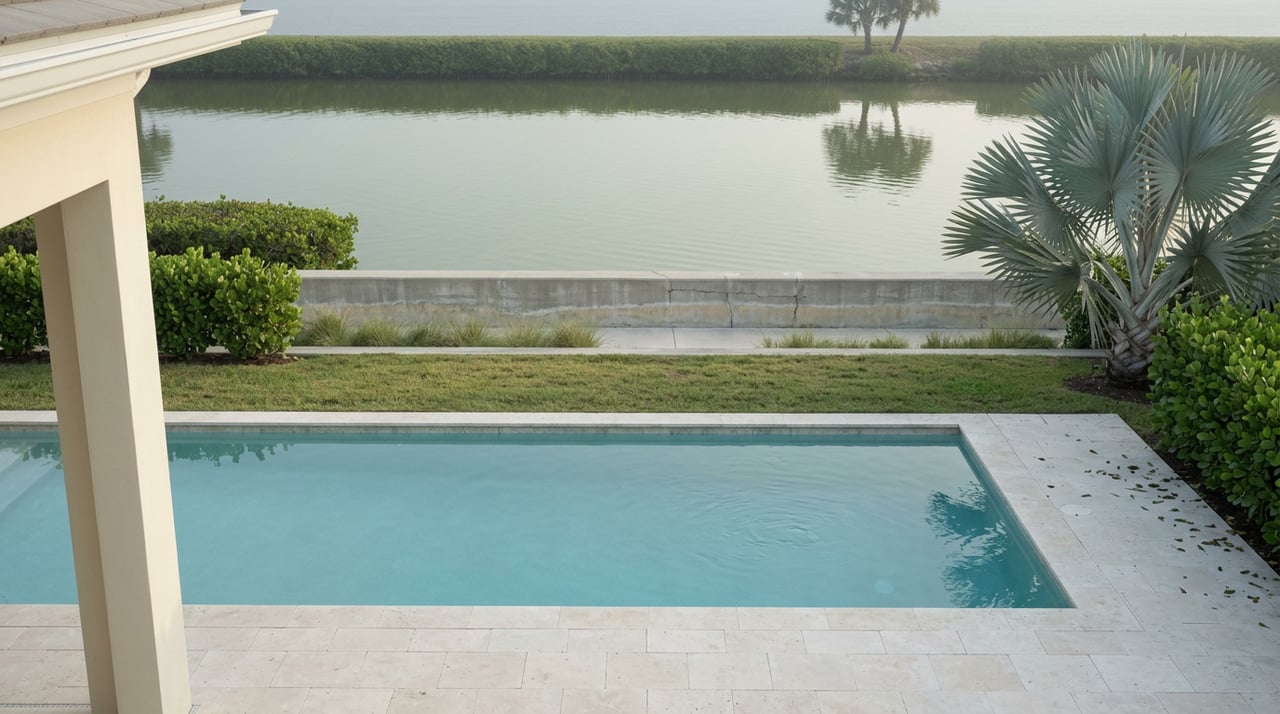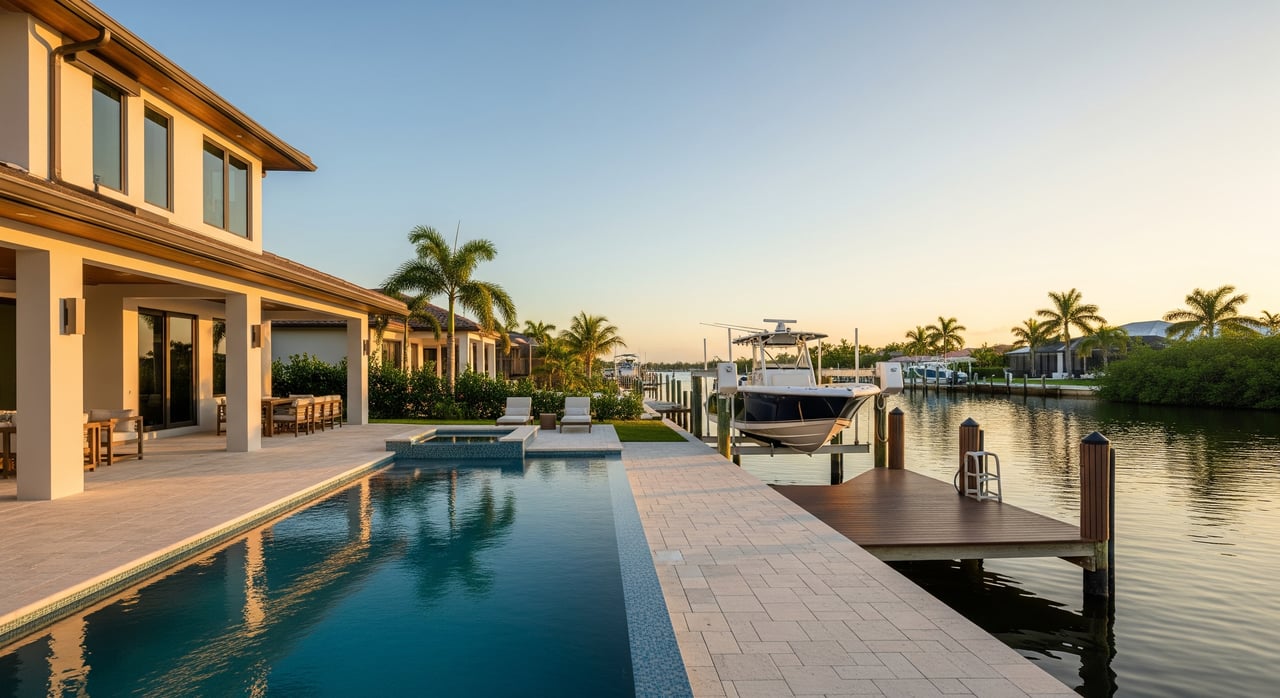
Picture your morning coffee on the lanai, water rippling behind your home, and a short ride to the river or Matlacha Pass. On Cape Coral’s canals, the way your lot faces the sun and the water changes how you live day to day. It affects comfort, boating, maintenance, insurance, and resale. In this guide, you’ll learn how each lot orientation performs in our subtropical climate, what to check for marine access, and how to reduce risk before you buy or sell. Let’s dive in.
Why lot orientation matters in Cape Coral
Cape Coral is built around several hundred miles of canals, from wide river-access channels to quieter interior waterways. Orientation influences how much sun hits your pool and patio, how breezy your dock feels, and how your route to open water works for the boat you own or plan to buy. It also interacts with flood zones, seawall design, and long-term maintenance.
You will see different waterfront settings: larger basins with more tidal influence, interior residential canals with slower circulation, and near-Gulf areas with stronger salinity and tides. Understanding where your lot sits in this network helps you choose the trade-offs that fit your lifestyle.
Sun, shade, and daily comfort
Cape Coral’s sun is strong. Orientation shapes how warm your outdoor areas feel and how your home performs in summer and winter.
South-facing water exposure
You get abundant sun on the water side most of the day. Pools and patios tend to stay warmer, which is great in winter and for gardeners or solar owners. You may need shade solutions to keep summer afternoons comfortable.
West-facing water exposure
Expect striking sunset views that many buyers love. Late-day sun is hotter and can mean more glare off the canal and higher cooling loads in the afternoon. Plan for shading, window treatments, and landscape placement to balance comfort and views.
East-facing water exposure
Mornings feel bright and pleasant with cooler afternoons. Interiors and outdoor rooms can stay more comfortable during peak heat. If you enjoy early light and afternoon shade, this is a solid choice.
North-facing water exposure
Backyards are typically shadier on the water side, which helps with cooling and UV exposure. You may have less natural light on the pool and patio. If you prefer lower afternoon heat and do not mind fewer sun hours, this orientation works well.
Views, privacy, and breezes
West-facing lots can command a premium for sunsets, while south-facing lots trade sunsets for longer sun exposure on the water side. Privacy depends on canal width, neighboring docks, and sightlines more than compass direction. Wider canals and basins can feel more open; narrow canals can feel more intimate.
Sea breezes and seasonal winds shape comfort on your dock and lanai. Orientation influences how sheltered or wind-exposed you are and how much salt spray reaches outdoor metals and HVAC units. Factor breeze patterns into your furniture placement and material choices.
Boating access and orientation
Orientation is only part of the boating story. Depth, width, and route restrictions often matter more.
Canal width and depth
Interior canals vary in width and may be shallower than larger channels. Ask for navigable depths at mean low tide both at your dock and along the full route to open water. Silt can accumulate in some areas that are not dredged regularly.
Bridges and fixed clearances
Routes to the Caloosahatchee River or Matlacha Pass may include fixed bridges with limited vertical clearance. If you own a sailboat, flybridge, or tall center console, verify clearances on your intended path. Some boats cannot reach Gulf waters from certain canals.
Route length and travel time
Some waterfront locations offer quick, wide access to open water. Others require navigating narrow residential canals with multiple turns. Time your trip during different tides and times of day to confirm real travel time to fuel docks, marinas, and favorite destinations.
Docks, lifts, and seawall setbacks
Dock placement must follow city rules, including setbacks from the seawall and navigation corridor. Narrow lots on tight canals may allow only specific dock configurations. Confirm whether a lift is permitted, if the seawall can support it, and whether the planned structure matches your boat’s size and weight.
Flood, seawalls, permits, and insurance
Waterfront living comes with specific diligence. Orientation interacts with risk, regulations, and long-term costs.
Flood zones and elevation
Parts of Cape Coral fall within FEMA flood zones such as AE, A, and VE. Your insurance needs depend on your structure’s elevation relative to the base flood elevation. In certain storm conditions, canal alignments can convey surge further inland. Order or request an Elevation Certificate and review FEMA flood maps to understand your site-specific risk.
Seawall condition and ownership
Seawalls are critical assets. Ask for the seawall’s age, type, permits, and maintenance history. Look for leaning panels, cracks, gaps, or soil loss that could signal failure. Clarify who is responsible for future repairs, whether the owner, an HOA, or a public agency.
Permits and agencies
Docks, lifts, seawalls, and shoreline work often require permits. Check with the City of Cape Coral for building and marine permits, Lee County for property records and permitting, and state or federal agencies such as FDEP, FWC, FEMA, and the U.S. Army Corps of Engineers for environmental, flood, and navigable-waters requirements. Verify that any existing structures were properly permitted and inspected.
Insurance and costs
Flood insurance is priced based on zone, elevation, and risk. Orientation can indirectly affect costs if exposure to surge or wind-driven waves requires higher freeboard or stronger seawalls. Lenders may request extra documentation if there is a history of seawall issues.
Environmental and maintenance factors
Water quality and shoreline ecology vary across Cape Coral’s canals.
Water quality and algae
Southwest Florida waters can experience red tide and algal blooms. Interior canals with slower circulation may see vegetation growth or odors during certain conditions. Review local water-quality information and ask neighbors or marinas about historical patterns.
Vegetation and habitat protections
Mangroves and seagrass are protected. Removal or modification often requires permits. If vegetation affects views or access, plan improvements in compliance with local and state rules. Native, salt-tolerant landscaping can reduce maintenance and improve resilience.
Long-term upkeep
Waterfront homes typically require more upkeep due to sun, salt, and moisture. South and west exposures can increase UV wear on finishes. Budget for seawall and dock maintenance, pest control, corrosion management, and landscape care.
Resale considerations
Buyer preferences often reward sunset views and direct or quicker access to the river or passes. West-facing water views may carry pricing premiums, and south-facing lots appeal to those who want sun exposure and strong solar potential. Premium view locations can also bring higher maintenance or insurance needs, so weigh total ownership costs against the upfront price.
Quick orientation guide
- South-facing: Warm pool and patio, strong sun all day, good solar potential. Plan shading solutions in summer.
- West-facing: Great sunsets and dramatic light, hotter late afternoons, possible glare and higher cooling demand.
- East-facing: Bright mornings with cooler afternoons, easier thermal comfort, less afternoon glare.
- North-facing: More shade on the water side, cooler outdoor areas, fewer sun hours on pool and patio.
Buyer due diligence checklist
- Seawall and dock
- Get a professional seawall inspection and structural review of the dock and pilings.
- Request as-built drawings and permits for the seawall, dock, and any lift.
- Verify canal depth at mean low tide at your dock and along your full route.
- Access and navigation
- Confirm bridge clearances and any overhead obstructions for your boat.
- Time actual trips to marinas, fuel, the Caloosahatchee, and Matlacha Pass.
- Flood and insurance
- Pull FEMA flood zone data and obtain an Elevation Certificate.
- Get a flood insurance estimate based on the address and elevation.
- Environmental and maintenance
- Review local water-quality history for the area and ask about dredging or vegetation management.
- Check for recorded easements, rights-of-way, or public access along the canal.
Seller preparation checklist
- Documentation
- Provide seawall age, repairs, permits, and any engineer reports.
- Share recent surveys showing the seawall, dock, lifts, and property lines.
- Compliance
- Resolve open permits or violations for marine structures before listing.
- Disclose flood zone, elevation details, and any insurance claims.
- Market positioning
- Highlight orientation benefits honestly, such as sunsets, sun exposure, or quick access.
- Provide boating info, including route notes, bridge heights, and approximate travel times.
How Pelican Vista Realty helps
You deserve clear, local guidance that weighs comfort, boating, risk, and long-term value. Our boutique team specializes in Cape Coral’s canal and Gulf-access lifestyle, from single-family waterfront homes to vacant land and custom builds. We help you compare orientations, verify marine access and permitting, and position your sale or purchase with confidence.
If you are exploring a move or planning a sale, connect with our local experts for a tailored plan. Let’s find your Cape Coral home with Pelican Vista Realty.
FAQs
What does lot orientation mean on Cape Coral canals?
- It is the direction your backyard and canal frontage face, which affects sun exposure, views, boat routes, flood considerations, and maintenance needs.
Which canal lot orientation is best for comfort and energy?
- East-facing lots offer cooler afternoons, while south-facing lots give more sun and solar potential. West-facing brings sunsets but warmer late-day temps, and north-facing is shadier on the water side.
How does orientation impact my boat’s access to the Gulf?
- Orientation does not guarantee access; canal depth, width, route length, and fixed bridge clearances determine if your vessel can reach the river or passes. Verify depths and clearances before you buy.
What should I check on a seawall before purchasing?
- Ask for permits and maintenance history, and get a professional seawall inspection. Look for leaning panels, cracks, gaps, or soil loss that signal potential failure.
Do flood zones and elevation vary by canal location?
- Yes. Parts of Cape Coral are in FEMA flood zones such as AE, A, and VE, and risk is site-specific. Review FEMA maps, obtain an Elevation Certificate, and get an insurance estimate for the address.