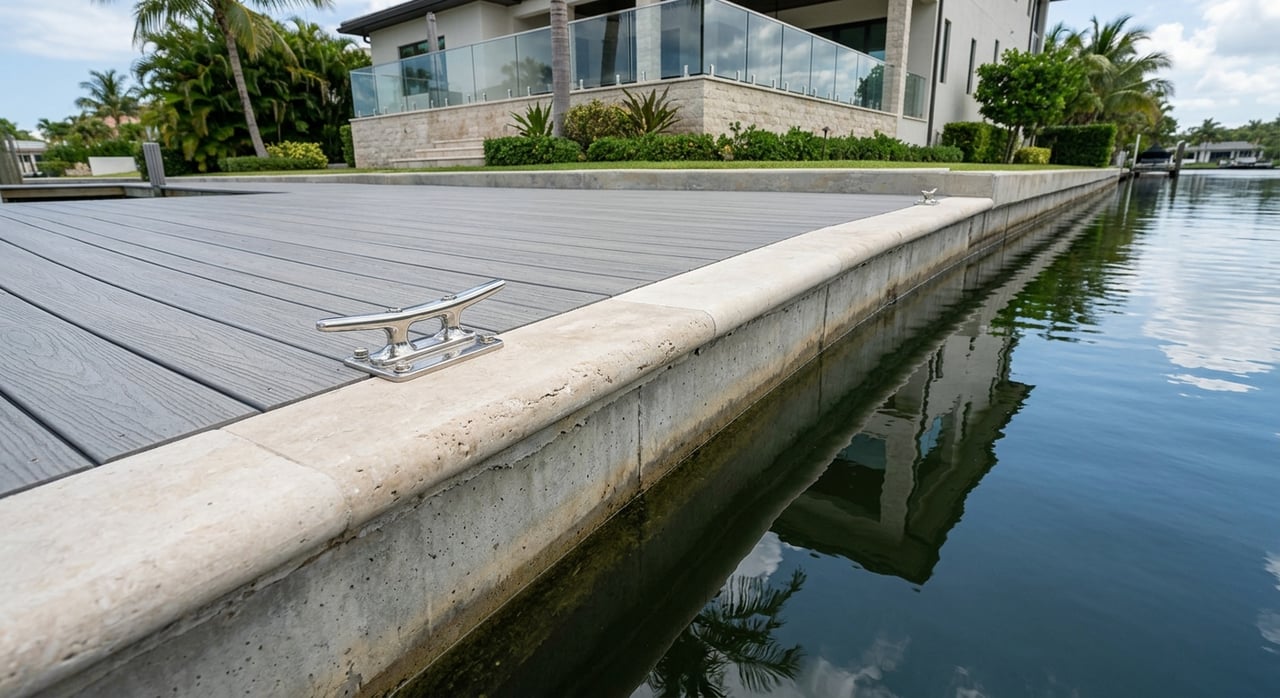
Selling a canal home in Cape Coral is not the same as selling a typical house. Buyers are not only judging your kitchen, layout, and finishes. They are also looking closely at your dock, seawall, water view, and flood-related paperwork. In a market where buyers have choices, the homes that feel well cared for and easy to understand tend to stand out. This guide will help you prepare your Cape Coral canal home to sell with more confidence and fewer last-minute surprises. Let’s dive in.
Why prep matters in Cape Coral
In early 2026, Cape Coral is trending as a buyer-leaning market. Realtor.com’s local market data shows about 6.9K homes for sale, a 96% sale-to-list ratio, and a typical 73 days on market in February 2026. That means buyers can compare multiple waterfront listings side by side.
For your home, that raises the bar on presentation and documentation. A clean, polished property with organized records can help buyers feel more comfortable making an offer. On a canal home, trust often starts outside.
Treat the canal as a feature
Cape Coral’s canal system is a major part of what makes waterfront living here unique. According to the City of Cape Coral, the city has more than 400 miles of canals that support flood control, water quality, irrigation storage, and navigable boating access.
That matters when you sell because buyers are evaluating more than scenery. They are thinking about boating access, shoreline condition, outdoor enjoyment, and long-term maintenance. Your dock, seawall, and canal-facing spaces should be prepared as carefully as the inside of your home.
Start with dock and seawall condition
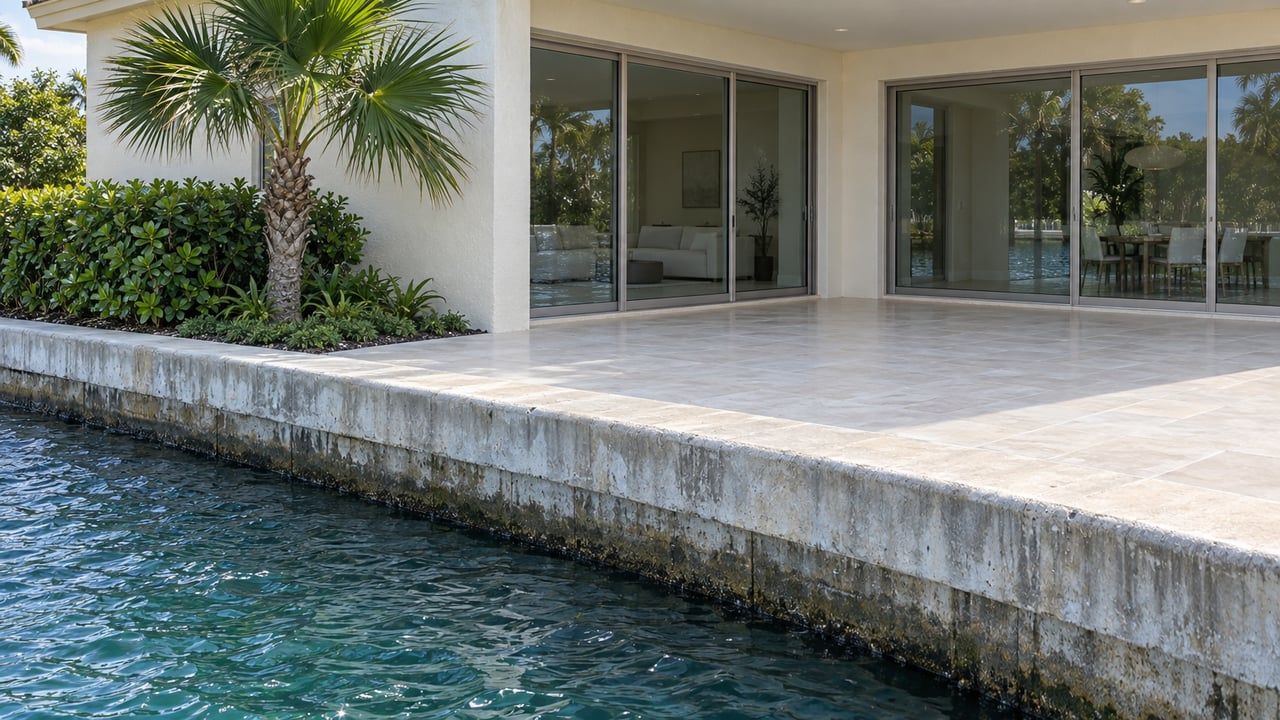
Before photos or showings, give your waterfront features a close review. Buyers will notice loose boards, rusted hardware, worn railings, stained surfaces, and visible seawall wear very quickly. Even small issues can create bigger questions about upkeep.
Focus first on the items buyers can easily see from the lanai, yard, or dock. Clean the dock surface, inspect the lift, check railings, and make sure seating or staging areas feel neat and intentional. If your seawall shows visible wear, it is smart to discuss the best next step with your real estate professional early.
What to inspect outside
- Dock boards and walking surfaces
- Boat lift appearance and visible function
- Railings, cleats, and hardware
- Seawall condition and visible cracks or staining
- Patio, lanai, and pool deck cleanliness
- Screens, sliders, and canal-facing windows
- Landscaping that blocks the water view
Verify permits before listing
In Cape Coral, marine improvements are regulated, and buyers may ask questions about what was done and whether it was properly permitted. The city’s residential wood dock guideline notes that simple re-decking alone may not require a permit if the frame and stringers are not being replaced. However, dock additions, repairs, replacements, and boatlift-related work do require permit steps.
Those steps can include a Marine Improvement application, a site plan, DEP approval if the property is not on freshwater, and a final signed and sealed survey before final inspection. The practical takeaway is simple: if work was done on your dock, lift, seawall, or shoreline, gather the paperwork now instead of waiting for a buyer to ask.
Documents worth pulling early
- Permit records for dock, lift, seawall, or shoreline work
- Final inspection sign-offs
- Surveys related to completed marine improvements
- Any contractor invoices or scope summaries you still have
Cape Coral’s permitting division says applications are processed in the order received and permits are not issued immediately at the counter. If repairs or permit follow-up are still needed, starting early can help you avoid delays later.
Clear the view and stage outdoor living
Waterfront buyers are buying a lifestyle as much as a structure. If your canal view is partially blocked by overgrown landscaping, extra furniture, or visual clutter, the listing may not show its full value.
Trim back plants that interrupt sightlines from the lanai, pool, or main living spaces. Remove broken furniture, rolled-up hoses, storage bins, and anything else that distracts from the water. You want buyers to notice the view first, not the maintenance list.
The same rule applies to staging. According to the National Association of Realtors 2025 staging snapshot, 83% of buyers’ agents said staging made it easier for buyers to visualize a property as a future home, and 88% of sellers’ agents said photos were important to clients. Outdoor areas were named among the key spaces to prioritize.
Outdoor staging ideas for canal homes
- Set up a simple seating area on the lanai or dock
- Keep patio furniture clean and evenly spaced
- Open up view corridors toward the water
- Store boating gear neatly or remove it for photos
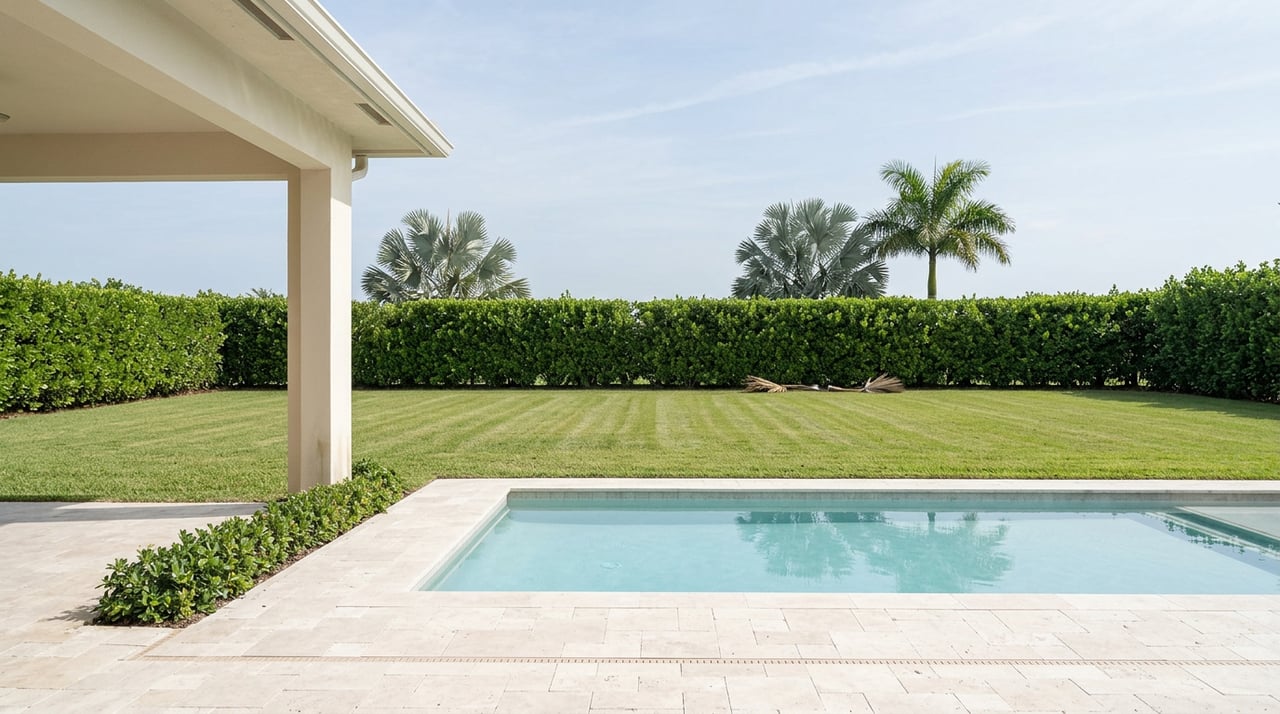
- Make pool and paver areas look fresh and uncluttered
Organize flood information early
Flood questions are common with any waterfront home, and buyers often ask them early. In Florida, residential sellers must provide a flood disclosure at or before contract execution. The Florida statute asks whether you know of flooding that damaged the property during your ownership, whether you filed a flood-related insurance claim, and whether you received flood assistance.
This is one of the biggest reasons to get organized before your home hits the market. If you wait until contract time, flood history can feel like a stressful last-minute issue. If you prepare it early, it becomes part of a smooth, transparent listing process.
Flood-related items to gather
- Your flood insurance information, if applicable
- Any prior flood claim details
- Records of flood-related repairs or improvements
- Your property’s flood disclosure details
- Elevation documents, if available
Cape Coral’s flood protection page notes that flood insurance is available for all properties in the city, including X-zone properties, and that National Flood Insurance Program coverage has a 30-day waiting period. The city also states that it participates in FEMA’s Community Rating System, with potential premium discounts of 25% for A, AE, and V zones and 10% for X zone properties.
Check your flood zone and elevation records
One of the easiest ways to reduce buyer uncertainty is to answer flood and insurance questions quickly. Cape Coral’s flood-risk portal and flood protection resources allow residents to search by address for flood zone, Base Flood Elevation, Design Flood Elevation, and existing elevation certificates.
The city says the current Lee County flood maps became effective on November 17, 2022. It also notes that buildings constructed before 1993 may not have an elevation certificate on file. If your home has an elevation certificate, pulling it before listing can save time and make conversations with buyers much easier.
Finish repairs before photos
One of the most common mistakes sellers make is scheduling photography before the property is truly ready. For a canal home, first impressions are especially important because buyers often decide within seconds whether a listing feels move-in ready, well maintained, and worth a closer look.
NAR’s 2025 staging report found that 49% of sellers’ agents observed faster sales when homes were staged. Combined with the importance of listing photos, that supports a simple strategy: do the work first, then launch.
Complete these items before photography
- Finish exterior touch-ups and repairs
- Clean the dock, seawall edge, patio, and pool area
- Replace or repair torn screens if visible
- Wash windows facing the canal
- Remove clutter from the yard, lanai, and dock
- Trim landscaping to highlight the water
Photos should capture your home at its most polished. If buyers see a half-finished project, they may assume there are more issues they cannot see.
Use a waterfront-focused prep checklist
A canal home sale goes more smoothly when you think beyond standard home prep. You are not just preparing rooms. You are preparing the full waterfront story of the property.
Here is a practical checklist to work through before listing:
Cape Coral canal-home prep checklist
- Clean and inspect the dock, lift, railings, and seawall
- Verify permits and final inspections for marine improvements
- Gather surveys and related records
- Trim landscaping to keep canal views open
- Remove outdoor clutter and stage water-facing spaces
- Pull flood-zone and elevation information from the city
- Organize flood disclosure details and insurance information
- Complete visible exterior repairs before photography
Make the waterfront easy to trust
When buyers shop for canal homes in Cape Coral, they are often comparing similar views, similar price points, and similar boating lifestyles. What helps one property rise above the rest is not always dramatic upgrades. Often, it is clarity.
A clean view, a maintained dock, organized permit records, and ready answers to flood questions can make your home feel easier to understand and easier to buy. That kind of preparation builds confidence, and confidence can help move a buyer from interest to offer.
If you are getting ready to sell a waterfront home, Pelican Vista Realty brings local Cape Coral canal expertise, polished marketing, and personalized guidance to help you prepare, position, and present your property with confidence.
FAQs
What should you fix first before selling a Cape Coral canal home?
- Start with the most visible waterfront items, including the dock, seawall, railings, patio, screens, and canal-facing landscaping.
What permit records matter when selling a Cape Coral waterfront home?
- Buyers may want records for dock, boat lift, seawall, or shoreline work, along with final inspections and any related surveys.
What flood documents should you gather for a Cape Coral canal-home sale?
- Pull your flood disclosure details, flood insurance information, any prior flood claim records, and elevation documents if available.
When should you schedule listing photos for a Cape Coral canal home?
- Schedule photography only after exterior repairs, cleaning, staging, and waterfront prep are fully complete.
Why does outdoor staging matter when selling a waterfront home in Cape Coral?
- Outdoor staging helps buyers picture how they would use the lanai, patio, dock, and canal view, which are central parts of the property experience.