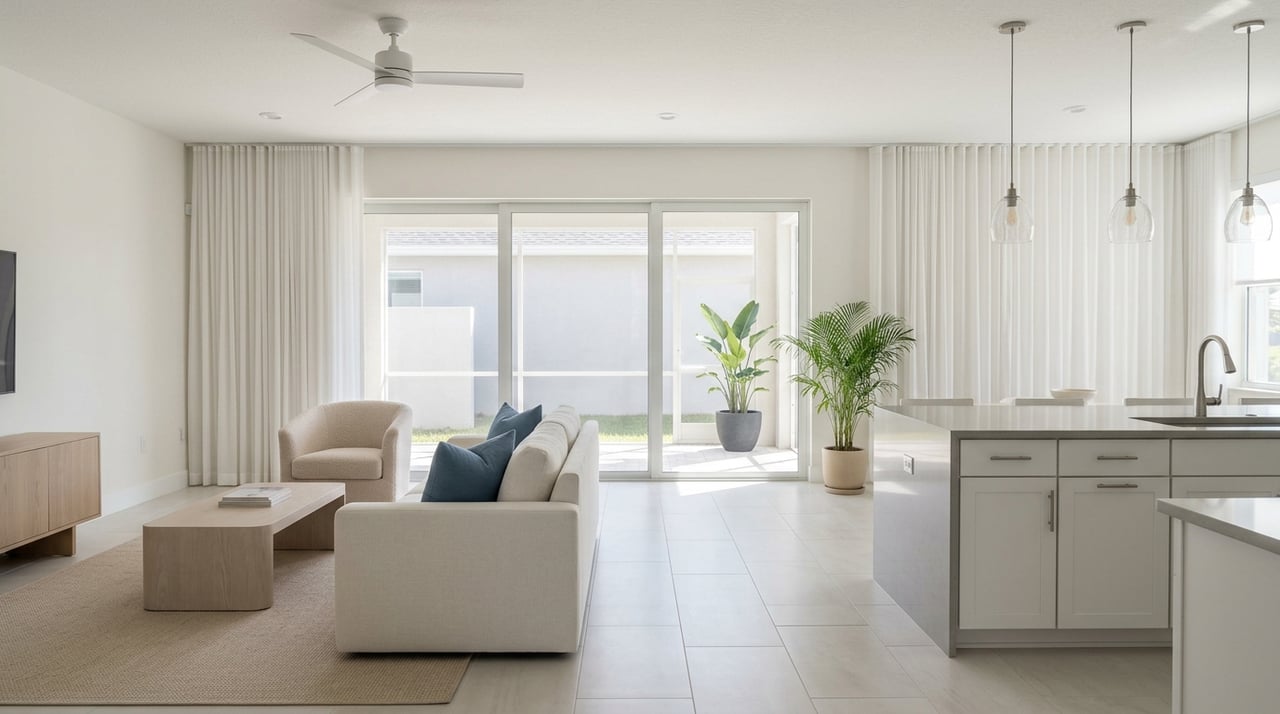
Thinking about turning your Cape Coral second home into a rental? You’re not alone. Seasonal demand is strong, and well‑prepared waterfront homes can command premium rates. The key is doing it right from day one, so you protect your asset, follow local rules, and deliver the kind of guest experience that earns repeat bookings. This guide walks you through the Cape Coral specifics, from city registration and taxes to safety, insurance, pricing, and management choices. Let’s dive in.
Know the local rules first
Before you list, confirm what’s required in the City of Cape Coral and by your HOA or condo association. The city requires residential rental properties to register. Beginning January 1, 2026, annual online registration through the EnerGov portal will apply. The city separates long‑term rentals from short‑term rentals, and owners must provide a 24/7 local contact and keep records up to date. You can review requirements and updates on the City of Cape Coral’s rental registration page at the City of Cape Coral rental registration.
Cape Coral’s schedule sets a $350 fee per property for short‑term rentals and $35 per property for long‑term rentals. Noncompliance can lead to fines and enforcement, so getting registered early is smart. For definitions, responsibilities, and program details, see the city’s rental registration ordinance.
City registration does not replace HOA or condo restrictions. Check your governing documents to confirm whether short‑term rentals are permitted and whether additional approvals or insurance are required. If your home is canal‑front and you plan dock or seawall work, expect permit requirements through the city’s building and development services.
Understand the taxes you must collect
Short‑term stays of six months or less are treated as transient rentals in Florida. You must register with the Florida Department of Revenue and collect and remit state sales and use tax. Florida DOR outlines rules and filing steps in its transient-rental guide, which you can find in the Florida DOR transient rental tax guide.
Lee County also imposes a Tourist Development Tax on rentals under six months. The Lee County tourist‑tax office explains registration, filings, and audits on its Lee County Tourist Development Tax office page. Some platforms or managers may collect and remit on your behalf, but you must confirm this in writing and know whether you remain the dealer of record.
When guests book in Lee County, they often see a combined tax load that includes Florida sales tax, a local discretionary surtax, and Lee County’s tourist tax. A commonly referenced combined rate is roughly 11.5 percent for short‑term rentals. Exact rates and responsibilities can vary by platform and timing, so confirm current surtax rates with the state and county. For a plain‑English refresher on local sales tax components, see this explanation of Lee County sales tax.
Practical tips:
- Open your state and county tax accounts before accepting bookings.
- Confirm your filing frequency and calendar reminders for due dates.
- Keep booking platform statements, invoices, and payout reports organized.
- If a platform remits any tax, keep that documentation with your filings.
Set up insurance and risk management
Many standard homeowners policies exclude business use or frequent short‑term rentals. Before you host the first guest, call your insurance agent and request the right product for your use pattern. That may be a home‑sharing endorsement, a dedicated short‑term rental policy, or a landlord/commercial policy. Ask for written confirmation of coverage limits for liability, contents, and loss of rental income. For an overview of why standard policies often fall short, review this resource on home‑sharing insurance considerations.
If your HOA or condo requires minimum liability limits, add that to your checklist and keep proof with your registration documents.
Safety and guest readiness in a waterfront city
Cape Coral’s waterfront lifestyle is a draw, and it comes with added responsibility. At a minimum, install and maintain smoke and carbon‑monoxide detectors that meet Florida Building Code requirements, and keep testing logs. Interconnected or hard‑wired detectors are commonly required in vacation rentals, and you should verify installation and testing before the season. You can reference the applicable sections in the Florida Building Code for detectors.
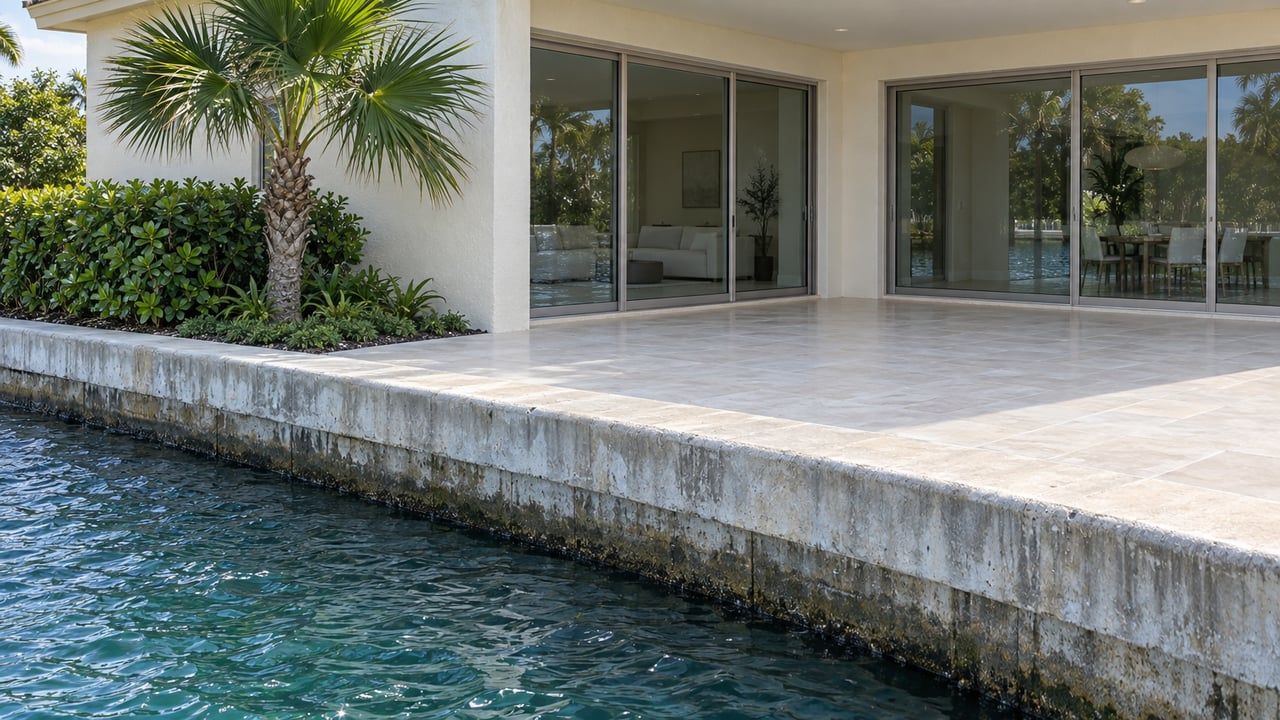
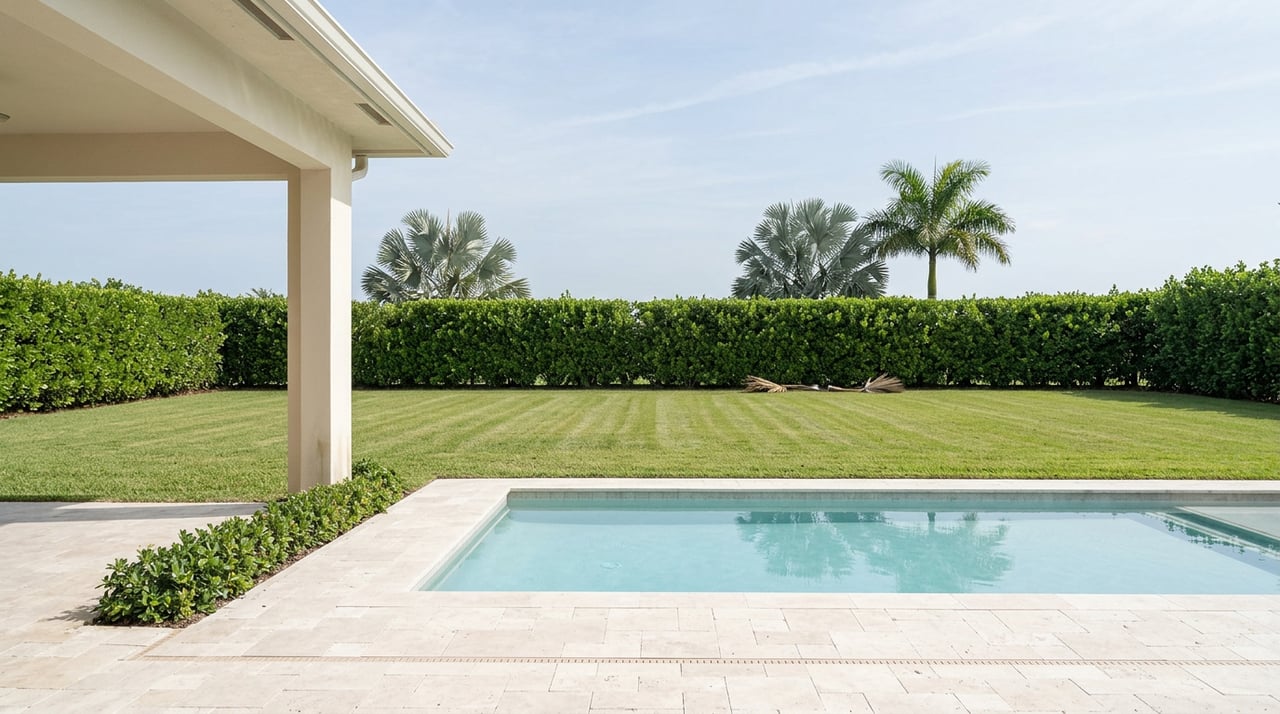
Complete your basic safety setup by placing a fire extinguisher on each level, posting emergency exit and 911 information, and keeping a simple first‑aid kit stocked. If the home has a pool, confirm compliant barriers or alarms and list pool rules clearly in your guest book. For canal or gulf‑access homes, add waterfront‑specific measures: post dock rules, keep non‑inflatable life jackets available, and include boating basics in your house manual. The Florida Fish and Wildlife Conservation Commission provides helpful reminders on life‑jacket use at FWC’s boating safety page.
Hurricane season overlaps with late‑summer and fall bookings. Keep storm shutters and hardware accessible, add evacuation routes to your printed guest guide, and outline what to do if a storm approaches. Review your flood and wind coverage with your agent and confirm how a named storm affects your policy.
Price for Cape Coral seasonality
Southwest Florida’s high season typically runs through winter and early spring, when occupancy and nightly rates trend higher. The Lee County Visitor & Convention Bureau publishes periodic visitor and lodging snapshots that show these demand shifts. To understand the rhythm of the market, see a recent tourism recap from Visit Fort Myers.
When you price, think in seasons and set minimum stays that fit your goals. Waterfront homes with pools, boat access, and polished presentation can justify premium pricing during peak months. Invest in professional photos, strong Wi‑Fi, clear house rules, and easy self‑check‑in. Market overviews for Cape Coral suggest that well‑located, high‑amenity homes outperform the market, especially on the water. For context on STR demand drivers and revenue management services, explore this Cape Coral short‑term rental market overview. Avoid promising specific income until you have a data‑backed estimate for your street or neighborhood.
Self‑manage or hire a manager
Managing a vacation rental well takes time and systems. Full‑service short‑term rental managers in Southwest Florida often charge about 15 to 30 percent of gross rental revenue, depending on scope. Services can include dynamic pricing, listing distribution, guest communication, 24/7 response, cleaning coordination, maintenance, and tax filing. You can compare examples and services in the Cape Coral STR market overview.
If you prefer to self‑manage, consider tools for automated messaging, smart locks, noise monitors, and calendar syncing. Build a local team for cleaning, pool service, lawn care, and urgent repairs. If you hire a manager, ask to see sample owner statements, cleaning fee handling, damage protection, marketing reach, contract length, and cancellation terms. Choose the model that fits your time, appetite for involvement, and revenue goals.
Step‑by‑step launch checklist
Use this quick checklist to launch confidently and stay compliant.
- Verify permission to rent. Confirm your HOA or condo allows short‑term rentals and note any approvals or insurance minimums.
- Register with the City of Cape Coral. Set up your account and be ready for 2026 renewals. Short‑term fee is $350 per property and long‑term fee is $35 per property. Start at the City of Cape Coral rental registration.
- Open tax accounts. Register with the Florida DOR for transient rentals and with Lee County for tourist tax. Review filing frequency and responsibilities in the Florida DOR transient rental tax guide and at the Lee County Tourist Development Tax office.
- Confirm insurance. Obtain the proper endorsement or STR/landlord policy and written proof of coverage limits. Learn the basics in this home‑sharing insurance considerations overview.
- Install and document safety items. Follow Florida Building Code on smoke and CO detectors, add fire extinguishers, and document testing. Review the Florida Building Code for detectors.
- Create a guest guide. Include local contact info, house rules, parking and trash days, quiet hours, emergency numbers, evacuation routes, pool and dock rules, and any required registration or tax numbers.
- Model revenue and costs. Include platform fees, cleaning and linens, utilities, accelerated maintenance, insurance, taxes, city fees, and vacancy. Use seasonal pricing and minimum‑stay rules.
- Choose your management model. Decide between self‑managing with tools or hiring a full‑service manager. Compare fees, services, and cancellation terms.
Smart recordkeeping and compliance habits
Set up a single digital folder for your rental with copies of your city registration, tax account confirmations, insurance policy endorsements, HOA approvals, and safety testing logs. Keep invoices for cleanings, maintenance, and guest supplies, and export monthly statements from your booking platforms. If you work with a manager, make sure your owner statements detail gross revenue, fees, taxes, and payouts. Doing this from day one helps you respond quickly to audits, guest questions, and insurance requests.
Turning your Cape Coral second home into a rental can be both rewarding and manageable when you follow the right steps. If you want local, hands‑on guidance or help comparing management options, our team is here to help. Reach out to Pelican Vista Realty for a friendly consult and a clear plan tailored to your property.
FAQs
What permits or registrations do I need to rent short term in Cape Coral?
- You must register your rental with the City of Cape Coral. Starting January 1, 2026, annual renewals apply through the city’s online portal, with a $350 short‑term fee and a $35 long‑term fee per property, plus a required 24/7 contact.
Which taxes apply to my Cape Coral vacation rental bookings under six months?
- You will generally collect and remit Florida sales and use tax plus Lee County’s Tourist Development Tax on transient stays, and you should verify current rates and filing responsibilities before you accept reservations.
Do booking platforms collect Lee County tourist tax for me automatically?
- Some platforms or managers may collect and file on your behalf, but it varies by provider and contract; you must confirm in writing whether you remain the dealer of record and keep copies of any filings or remittances.
What safety gear should I provide in a waterfront rental?
- Install smoke and carbon‑monoxide detectors per Florida Building Code, place fire extinguishers on each level, post emergency information, set clear pool and dock rules, and provide properly sized life jackets if guests will use boats or be near the water.
How does hurricane season affect bookings and preparation?
- Bookings often slow in late summer and fall, and you should keep shutters, supplies, and a guest hurricane plan ready; confirm wind and flood insurance details with your agent and communicate procedures to guests in your house manual.
How much do full‑service property managers charge in Cape Coral?
- Many full‑service short‑term rental managers charge about 15 to 30 percent of gross rental revenue depending on included services like pricing, marketing, guest messaging, cleaning coordination, maintenance, and tax support.