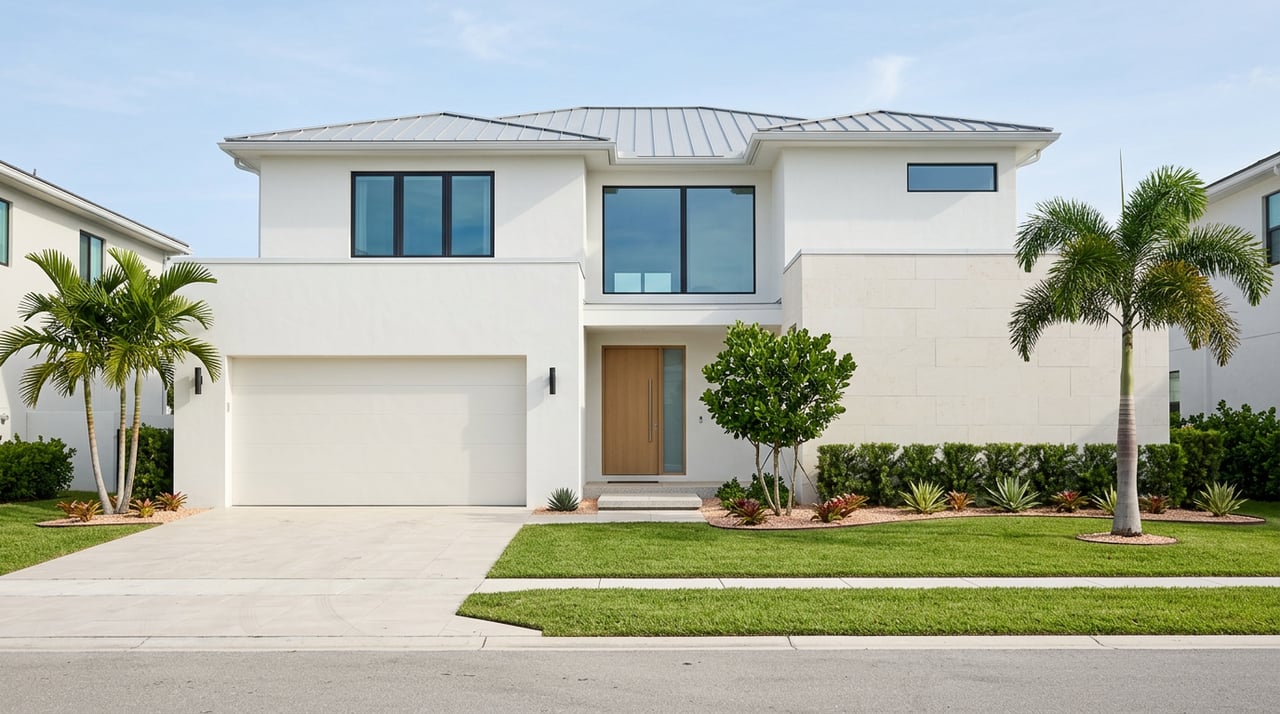
Designing your own home in Cape Coral starts with the right lot and a clear plan. The process is exciting, but local rules for utilities, flood elevation, and waterfront work can add time and cost if you are not prepared. This guide shows you how to evaluate a lot, budget smart, pull permits, and move from dirt to keys with fewer surprises. Let’s dive in.
Cape Coral factors to know
Cape Coral’s Utility Extension Project (UEP) converts areas from well and septic to city water, sewer, and irrigation in phases. These connections come with one-time assessments and hookup requirements that can meaningfully affect your budget. Before you make an offer, review the city’s UEP status and connection fees, and get parcel-specific estimates through the city’s guidance for new construction and utility assessments.
Flood mapping and required finished-floor elevations matter across much of Cape Coral. The city’s floodplain resources explain Base Flood Elevations, elevation certificates, and how new construction must comply today. Start with the city’s flood protection and elevation resources to understand site requirements and insurance impacts.
Florida enforces the statewide Florida Building Code, now in its 8th edition with 2023 effective dates. Wind, structural, and flood-related standards in the code shape foundation type, elevation, and openings on coastal homes. You and your design team will work within the Florida Building Code plus any local amendments.
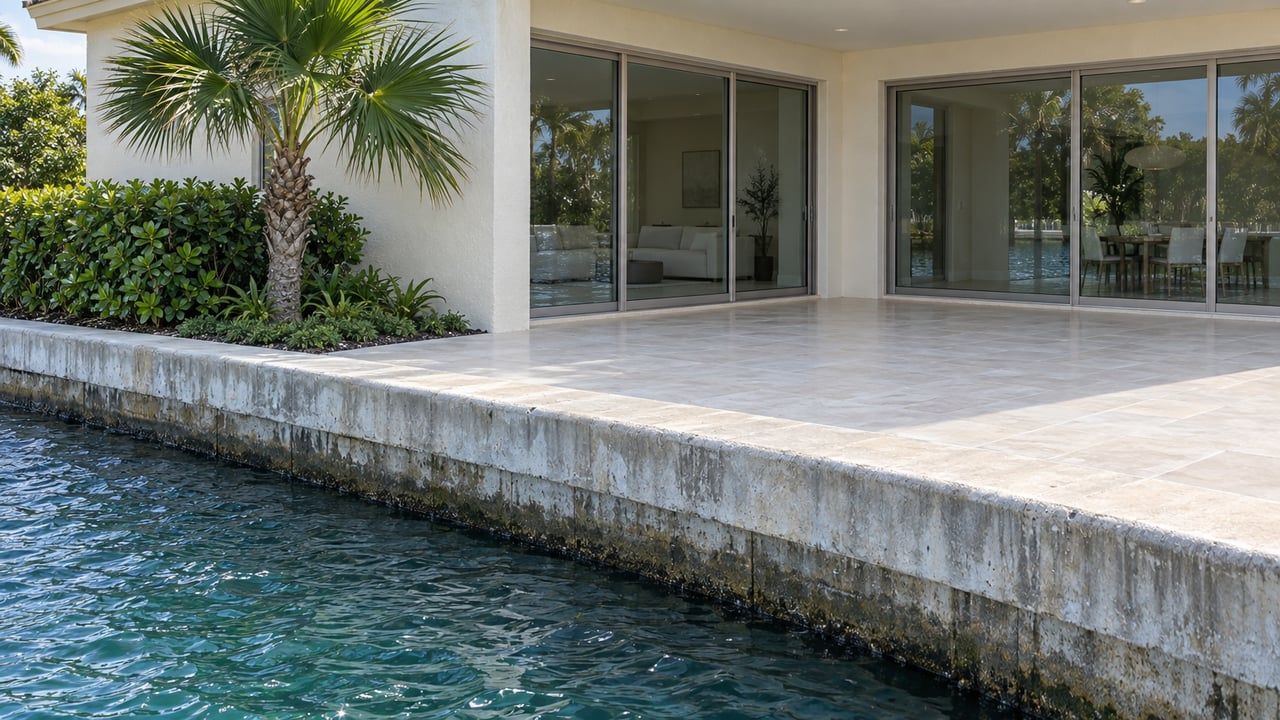
If you are buying a waterfront lot, plan for layered approvals on seawalls, docks, and shoreline work. Many projects need city building permits along with state environmental review and, in some cases, federal authorization. A marine contractor can explain timelines and submittals; this overview of Florida seawalls and permitting layers is a helpful starting point.
Step 1: Pre-purchase checks
1) Flood zone and elevation
Confirm the flood zone, Base Flood Elevation, and any elevation certificates on file for the parcel. Use the city’s flood protection resources to understand how current maps will affect design and insurance. Ask your surveyor about anticipated finished-floor elevation and how that factors into fill, steps, or stem walls.
2) Utilities and UEP status
Identify if your lot is in an active or planned UEP area and whether hookup will be mandatory. The city publishes schedules and examples of connection and assessment charges by project area, which can total several thousand dollars per equivalent parcel. Review the city’s new construction and utility assessment guidance and budget for both assessments and physical connection work.
3) Title, easements, and access
Ask your title company to pull a full title commitment, recorded plats, covenants, and any easements that might limit your buildable area. Utility or drainage easements can shift where the home, driveway, and pool may sit. Do not rely on listing remarks for these details.
4) Seawall and dock history
On waterfront lots, request as-built drawings and prior permits for the seawall and any dock or lift. Unpermitted work or a failing seawall can turn into a large, immediate cost. Expect additional approvals if you plan new shoreline structures, and factor engineering and permitting into your budget.
5) Septic feasibility if not on sewer
If central sewer is not available, confirm septic feasibility early. Check setbacks, drain field location options, and whether an advanced treatment unit might be required. The Lee County Department of Health explains onsite sewage permitting steps and categories in its OSTDS permitting guidance.
6) Survey and soils
Order a boundary and topographic survey, and ask a geotechnical engineer to perform borings. Coastal soils, shallow groundwater, or dredge fill can require piles, dewatering, or engineered slabs. Your builder and structural engineer will use the soils report to finalize the foundation design.
7) HOA and architectural review
If the lot sits in a deed-restricted neighborhood, request the CC&Rs and any design guidelines. Some HOAs require approvals before the city will issue a permit. Check meeting schedules to avoid delaying your submittal.
Step 2: Design, contracts, and permits
Decide how you want to build. Options include a production builder package, a custom design-bid-build path, a design-build team, or an owner-builder approach. Compare inclusions, warranty terms, and who handles permits. A pre-permit feasibility review with your builder and design team can reduce re-submittals later.
Cape Coral uses the online EnerGov Citizen Self-Service portal for plans, permit tracking, and inspections. Review the city’s checklists, upload complete drawings, and expect a few review cycles, especially on custom or waterfront homes. You can start planning your submittal in the EnerGov Citizen Self-Service portal.
If your lot falls within a Special Flood Hazard Area, your design must meet required finished-floor elevations and flood-resistant construction rules. Plan for elevation certificates at the stages required by the city. The city’s floodplain guidance outlines the documentation that helps with both permits and future insurance.
Before you submit, estimate permit and impact fees so you can set the right soft-cost reserve. Cape Coral publishes fee schedules and calculators for residential projects. Review the city’s permit and fee information and add a cushion for resubmittal or third-party review costs.
Step 3: Site prep and foundation
Site preparation can include clearing, grading, importing fill, erosion control, and dewatering. Waterfront or low-lying sites may require piles or an elevated slab to meet code and elevation rules. These steps add time and can add thousands to tens of thousands of dollars depending on soil and groundwater conditions.
If your plan includes seawall or dock work, expect a separate engineering and permitting track. Many projects require coordination with city reviewers and state or regional environmental programs. This Florida seawall overview explains common steps and why early planning matters.
Timeline: from lot to keys
Timelines vary with site conditions, design complexity, and agency workloads. As a planning guide, many Cape Coral professionals budget 2 to 6 months for design and permit review on straightforward lots. Once permits are issued, a conventional single-family custom build often takes 6 to 12 months, with complex waterfront or multi-agency projects taking longer. For a local walkthrough of permits and inspections, review this Cape Coral new construction process and timeline guide.
Hurricane season, supply chain shifts, and inspection backlogs can affect schedules. Add buffers, especially if your build spans late summer. Clear communication with your builder and regular portal check-ins help keep your project moving.
Budget: plan for these costs
Every site is different, but you can build a realistic first-pass budget by grouping costs into a few buckets.
- Utilities and assessments. The city’s published schedules show one-time assessments and connection fees that vary by project area. As one example in a city table, a North 1 West area estimate totaled about 26,617 dollars per equivalent parcel across water, sewer, and irrigation. Confirm the current figures for your parcel through the city’s new construction and UEP page.
- Permits and impact fees. Use the city’s calculators to estimate permit and impact fees for residential new construction. Check the permit and fee schedules and add a reserve for plan updates.
- Site prep and foundation. Soil conditions, elevation, and groundwater drive foundation type and site work. Lots that need piles, dewatering, or added fill can see thousands to tens of thousands in added cost.
- Waterfront work. Seawalls, docks, and dredging are engineered projects with their own permits. Costs vary widely by length, depth, and conditions, so get a marine estimate if your lot is on a canal or river.
- Hard construction. Published Florida planning ranges for new homes often span roughly 100 to 400 plus dollars per square foot, with many Southwest Florida custom homes quoted around 200 to 350 plus dollars per square foot depending on finishes and site factors. Use per-square-foot numbers as a starting point, then verify allowances and inclusions.
- Financing and carrying costs. Construction loans usually require a larger down payment and detailed plans. One-time-close construction-to-permanent loans, including some FHA and VA options, can simplify closing. Learn the basics with this overview of construction loan fundamentals.
- Contingency and insurance. Carry at least a 10 percent contingency for overruns. Plan for builder’s risk during construction and homeowners and flood insurance once complete. FEMA’s Risk Rating 2.0 changes how NFIP premiums are set, which can affect your long-term costs. This summary of Risk Rating 2.0 explains the shift to property-level pricing.
Your local team
- Real estate agent experienced with Cape Coral lots and new construction who can surface UEP status, covenants, and relevant comps.
- Licensed surveyor for boundary and topographic work, including mean high water on waterfront lots.
- Geotechnical engineer for borings and foundation recommendations that inform your structural design.
- Civil or site engineer for drainage, grading, driveway layout, and any shoreline engineering.
- Architect and structural engineer to design and seal plans that meet the Florida Building Code.
- Licensed general contractor or custom builder with coastal and waterfront experience in Southwest Florida.
- Title company to provide a thorough title commitment and identify easements or deed restrictions.
- Permit expediter or land-use attorney for complex parcels or elevation map issues.
- Insurance agent and lender familiar with flood insurance and construction-to-perm lending.
Common risks to avoid
- Underestimating UEP assessments or connection timing, which can shift your upfront costs.
- Ignoring flood elevations and freeboard requirements that affect fill, foundations, and steps.
- Overlooking a failing or unpermitted seawall or dock that will require immediate attention.
- Skipping a soils report and discovering costly pile or dewatering needs after design.
- Missing HOA architectural review timelines that delay your city submittal.
- Assuming septic will be allowed without consulting the Lee County DOH on feasibility and setbacks.
- Not carrying enough contingency for storm season delays or material price changes.
Action plan: from offer to occupancy
- Check the lot in the city’s floodplain resources and verify current Base Flood Elevation and any prior elevation certificate.
- Confirm UEP status and request connection and assessment estimates from the city before you write an offer.
- Order a boundary and topographic survey and schedule geotechnical borings.
- Ask your title company for a title commitment and recorded covenants or HOA documents.
- On waterfront, request seawall and dock permit history and get an engineer’s assessment if work is likely.
- If not on central sewer, call the Lee County DOH to confirm septic feasibility and next steps.
- Pre-qualify with a construction lender and compare construction-to-permanent options.
- Assemble your architect, civil engineer, geotechnical engineer, and builder for a feasibility huddle.
- Build a budget that includes UEP assessments and meter fees, permit and impact fees, site work and foundation, waterfront allowances, and a 10 percent contingency.
- Prepare complete plans and submit through EnerGov, then track reviews and inspection scheduling through your builder.
Ready to walk Cape Coral lots and map your path to a custom home with a team that knows the canals, codes, and costs? Connect with the local advisors at Pelican Vista Realty to start planning with confidence.
FAQs
Will a seawall change my Cape Coral flood zone?
- No. A seawall does not change FEMA flood-zone designations or required Base Flood Elevations. You still must meet elevation and flood-resistant construction rules for the home.
How long after buying a vacant lot in Cape Coral can I start building?
- On a straightforward site with utilities, survey, soils, and complete plans, many buyers can begin within a few months. More commonly, plan 3 to 6 months for design and permit review before construction starts, and longer for complex waterfront projects.
How do FEMA maps and Risk Rating 2.0 affect flood insurance for a new home?
- FEMA’s Risk Rating 2.0 uses property-level factors like elevation, distance to water, and rebuild cost to set premiums. Your finished-floor elevation and mitigation steps can influence the quote, so get parcel-specific estimates early.
Can I finance both the Cape Coral lot and the custom build in one loan?
- Yes. Construction-to-permanent, or one-time-close, loans can combine the lot and construction into a single closing. Work with a lender experienced in Southwest Florida construction to compare terms and documentation.