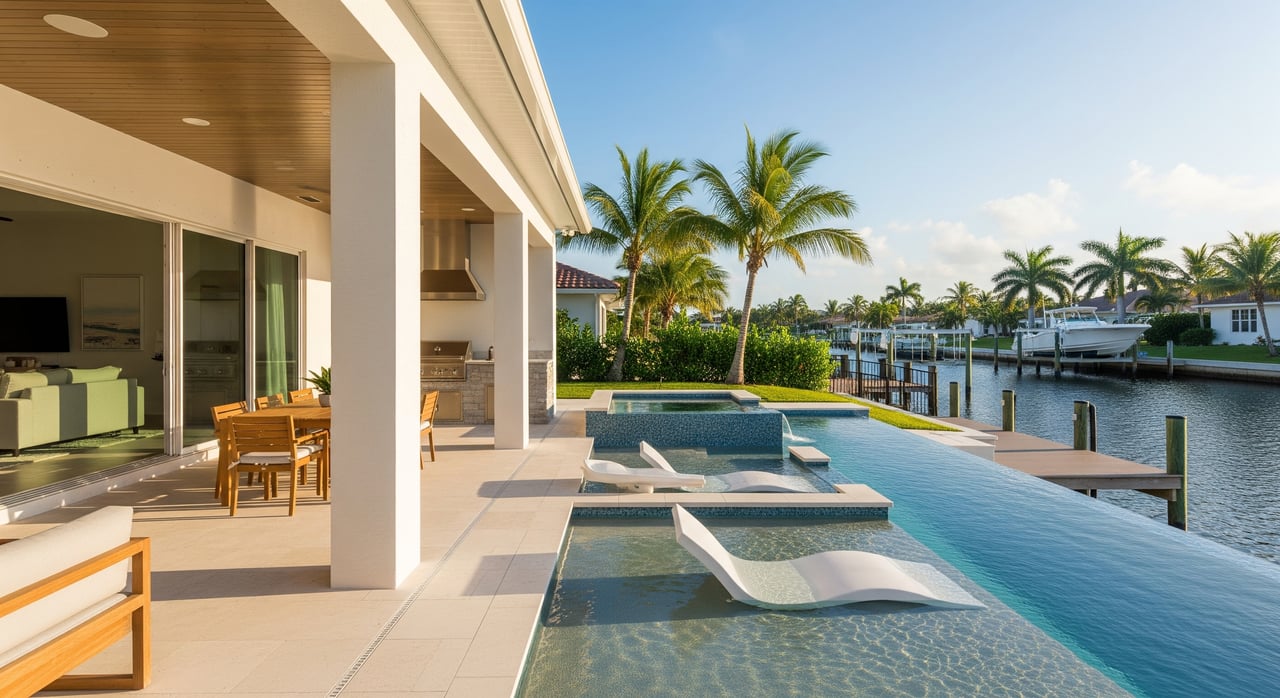
Dreaming of turning a Cape Coral property into a steady vacation rental that guests love and you feel confident owning? You are not alone. With canals, boating access, and warm weather year-round, the city attracts travelers who book longer stays and return often. In this guide, you will learn how to design for profit, set the right amenities and operations, and plan for Florida-specific risks so you launch smarter and earn more. Let’s dive in.
Why Cape Coral works for STRs
Cape Coral’s draw starts with the water. The city’s vast canal network, easy access to boating and fishing, and proximity to Gulf Coast beaches make waterfront and pool homes top performers. You also benefit from a strong snowbird season that typically runs from late fall through spring. Many guests book longer stays, which helps reduce turnover and stabilize cash flow.
Seasonality matters. Winter and spring are peak months for rates and occupancy. Summer can be slower due to heat and storm risk, so design, pricing, and guest targeting should anticipate those swings. Listings that speak to boaters, multigenerational families, and long-stay snowbirds tend to earn the strongest results.
Know the rules first
Before you buy or list, confirm that short-term rentals are allowed for your property. You should check three layers of rules: city zoning and licensing, county requirements, and any HOA or condo restrictions. Review occupancy limits, parking policies, and local noise rules. Many associations in Cape Coral have specific rental guidelines, so read them early.
Budget for taxes and permits. Florida requires sales and transient rental taxes, and local governments may require registration or a business tax receipt. Rates and procedures change, so verify current steps with the Florida Department of Revenue and local authorities. Plan your setup timeline to include inspections, pool or dock permits, and any required registrations.
Design for Cape Coral travelers
Cape Coral guests book homes that make outdoor living easy and water access simple. The right features can raise nightly rates and improve conversion.
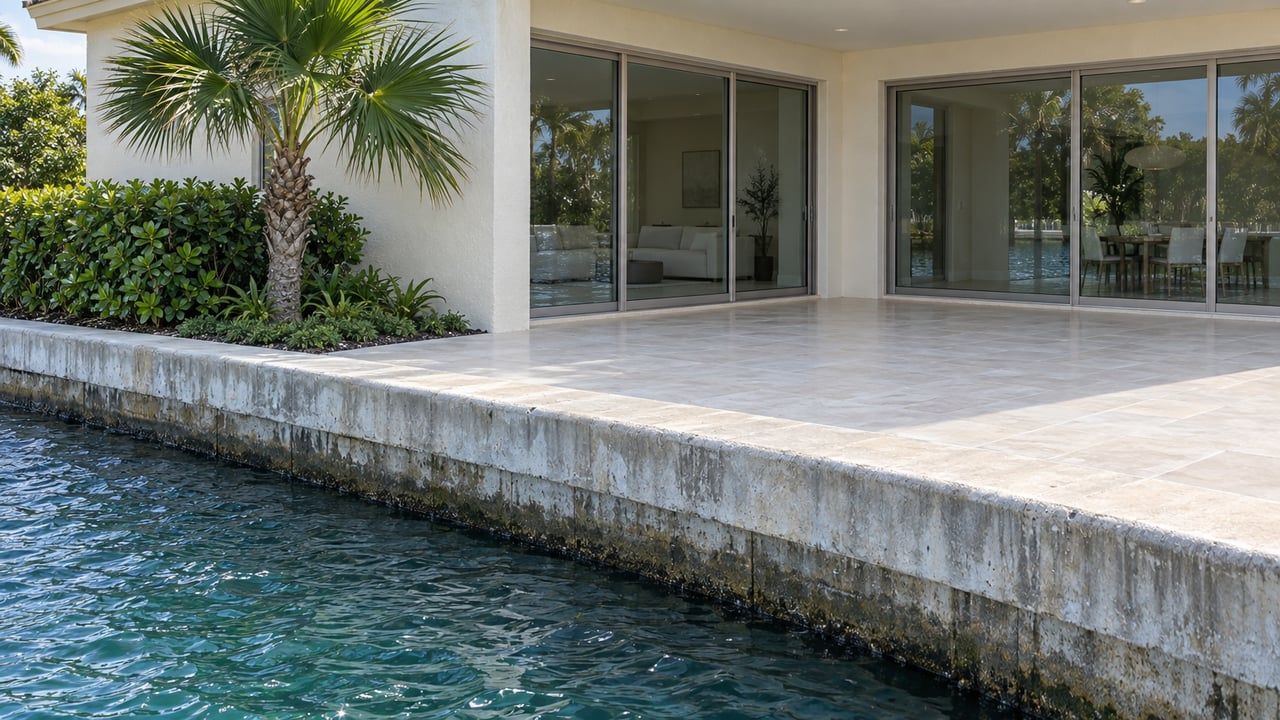
- Waterfront and dock: A usable dock and, if allowed, a boat lift can command a strong premium with boating and fishing guests.
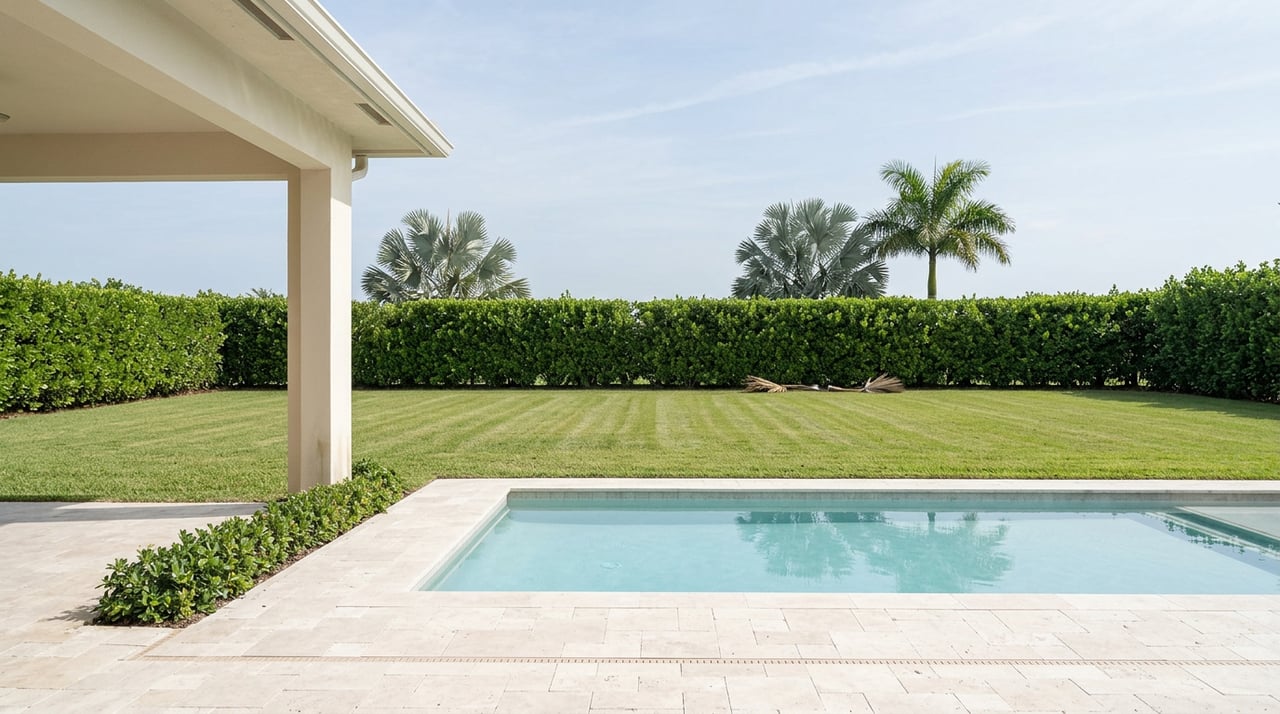
- Private heated pool: Paired with a screened lanai, this is one of the most requested amenities in Florida.
- Outdoor living zones: Covered dining, lounge seating, grill or outdoor kitchen, and privacy landscaping.
- Water toys: Kayaks, paddleboards, and basic fishing gear can set your listing apart. Use clear rules and waivers.
- Fast Wi-Fi and a workspace: Important for snowbirds and hybrid workers.
Must-have waterfront features
If you are buying or upgrading on the canal, align features with local use and safety.
- Clear boat guidance: Provide bridge clearances, canal etiquette, and tide tips in your house manual.
- Safe access: Install lighting, non-slip surfaces, and sturdy handrails at the dock.
- Storage and signage: Label lift switches and mooring locations to prevent misuse and confusion.
- Seawall checks: Keep up with inspections and repairs. This protects the asset and your guest experience.
Layout that earns more
Thoughtful bedroom and bathroom setups help you capture families and groups.
- At least three bedrooms and two full baths improve group bookings and rates.
- Flexible bedding: Mix king and queen beds with a bunk or sleeper to fit different group types.
- Open living and kitchen: Social layouts photograph well and feel vacation-ready.
- Main-level bedroom: Helpful for older guests and longer stays, which increases your audience.
Durable finishes that last
Choose materials that look good in photos and stand up to humidity and turnover.
- Commercial-grade fabrics, performance rugs, and wipeable surfaces.
- Neutral, light interiors with a few coastal accents for sense of place.
- Easy-care flooring and labeled storage for beach and boat gear.
Safety and compliance essentials
Safety supports both compliance and reviews.
- Pool barriers and alarms that meet local codes, plus clear rules posted by the pool.
- Exterior lighting, non-slip surfaces, and handrails at steps and docks.
- First-aid kit, fire extinguishers, and smart locks with unique guest codes.
- Clear quiet hours and parking rules to prevent neighbor complaints.
Outdoor living that sells the stay
Florida living happens outside, so make it inviting.
- Shade and fans: Covered lanai with ceiling fans for year-round comfort.
- Comfy seating: Lounge chairs, sectional seating, and a dining table for the whole group.
- Heat for the pool: Advertise whether the pool is heated and any policies around temperature settings.
- Night ambiance: Soft landscape lighting and string lights to extend evening use.
Stock your home for great reviews
Small touches reduce support calls and improve ratings.
- Welcome guide: Include boat ramps, marinas, groceries, medical, and beach reminders.
- Clear instructions: Short videos or step-by-step notes for smart TVs, grill, spa, and dock.
Starter kit checklist:
- Paper goods, hand soap, dish pods, laundry pods, trash bags.
- Basic condiments and a coffee setup with spare filters.
- Beach towels, cooler, and a few folding chairs.
What to skip or simplify
Not every upgrade pays back. Keep it practical.
- Ultra-lux finishes in modest neighborhoods may not add ADR.
- Overly complex appliances can drive guest support calls.
- Tall privacy fences that block water views can reduce perceived value.
Pricing for seasonality
Track the right metrics and adjust for demand.
- Watch ADR, occupancy, RevPAR, and length of stay by month.
- Use dynamic pricing tools to respond to snowbird season, events, and shoulder months.
- Offer weekly and monthly discounts to attract longer winter and spring bookings and lower turnover costs.
Operations that protect your ROI
Whether you self-manage or hire a local property manager, reliable vendors and preventive maintenance are essential.
- Core vendors: Pool service, landscaping, pest control, HVAC, electrician, plumber, and a dock or marina pro.
- Turnover systems: Cleaning checklists, linen standards, and photo documentation after each clean.
- Seasonal prep: Service HVAC before peak months. Monitor humidity for mold prevention. Confirm storm supplies.
Marketing that stands out
Position your listing to match Cape Coral demand.
- Highlight the lifestyle: Waterfront, boat lift or dock, private heated pool, screened lanai, and easy drives to beaches.
- Professional photos: Include drone or canal shots if appropriate, plus sunrise or sunset images.
- Multi-channel reach: Consider listing on major platforms and build a simple direct-booking presence over time to save on commissions.
- Partnerships: Connect with marinas and fishing charters for guest referrals.
Simple financial model
You do not need a complex spreadsheet to make a sound decision. Start with a clear set of inputs and outputs.
Inputs:
- Purchase price or renovation budget, including any dock, lift, and pool work.
- Furnishings and setup: Furniture, linens, smart locks, photography, listing setup.
- Operating costs: Utilities, internet, insurance, property taxes, HOA, pool and lawn service, pest, cleaning, management, marketing, reserves.
- Taxes and fees: State sales tax, local tourist taxes, business tax receipts as required.
- Revenue assumptions: ADR and occupancy by month to reflect seasonality.
- Financing: Mortgage, rate, and terms if applicable.
Outputs:
- Gross income monthly and annually.
- Net operating income after expenses.
- Cash flow before and after debt service.
- Cap rate, cash-on-cash return, and payback period.
- Sensitivity analysis for lower occupancy or downtime during storm events.
Aim to compare your RevPAR against similar homes in your area and bedroom class. Calculate your break-even occupancy so you know how pricing or minimum stays affect costs.
Top 10 Cape Coral must-haves
- Waterfront dock or lift if the home is boatable.
- Private heated pool with screened lanai.
- Covered outdoor dining and lounge areas.
- Fast, reliable Wi-Fi and a simple workspace.
- Flexible sleeping arrangements for groups.
- Smart locks and clear house rules.
- Labeled storage for beach and boat gear.
- Non-slip dock surfaces and proper lighting.
- Starter supplies and a detailed welcome guide.
- A plan for storms, cancellations, and communication.
Sample setups for three guest types
- Boating and fishing group: Emphasize dock depth, lift capacity if allowed, fish cleaning station, hose at dock, and sunrise coffee spot.
- Multigenerational family: Main-level bedroom, step-free entry, pool safety features, high chair and pack-and-play, large dining table.
- Snowbird or long stay: Comfy seating, great mattresses, full kitchen tools, reading lamps, and workshop or hobby space if the garage allows.
Plan for storms and insurance
Cape Coral’s coastal location requires a thoughtful risk plan. Review flood zones and consider flood coverage, especially for waterfront or low-elevation homes. Work with carriers familiar with Florida wind and water exposure, and ask about wind mitigation credits. Build a written hurricane protocol that covers guest communication, shuttering, evacuation steps, and refund or rebooking policies. Keep emergency contacts and local shelter information in your guidebook.
Your next step
A profitable vacation rental in Cape Coral starts with local due diligence, smart design, and disciplined operations. If you want a partner who understands canal access, neighborhood nuances, and how to position your home for the right guests, our boutique team is here to help. From acquisition and setup to STR advisory and property management, we make ownership smoother and more rewarding.
Ready to plan your investment or optimize a current listing? Reach out to Pelican Vista Realty to talk strategy with a local expert.
FAQs
What makes a Cape Coral vacation rental profitable?
- Match the market with a pool and outdoor living, consider waterfront and a usable dock, design for groups, and price for seasonal demand while managing costs.
Do you need permits or licenses for short-term rentals in Cape Coral?
- You should verify city, county, and state requirements, including any business tax receipt, registration, inspections, and tax remittance before listing.
How does hurricane season affect Cape Coral bookings?
- Summer and early fall can be slower, and storms may disrupt stays, so use clear policies, strong communication, and appropriate insurance to manage risk.
Is a dock or boat lift worth it for revenue?
- For boating and fishing guests, a safe dock and, if allowed, a lift often raise rates and bookings, but factor in maintenance, permitting, and insurance.
What pricing strategy works best in Cape Coral’s peak season?
- Track ADR, occupancy, and RevPAR, and use dynamic pricing, minimum stays, and weekly or monthly discounts to capture winter and spring demand efficiently.