Two Fort Myers homes can sit a canal apart, share similar square footage, and still sell for very different prices. If you have ever wondered why, you are not alone. Waterfront value is shaped by more than bedrooms and finishes. Access to open water, dock details, flood insurance, and even mangrove rules can move buyer demand and final price.
This guide breaks down the real drivers of Fort Myers waterfront value so you can compare properties with confidence. You will learn what “Gulf‑access” really means, how views and frontage are priced, what to verify on docks and seawalls, and which permits and insurance questions matter. Let’s dive in.
The many meanings of “waterfront”
“Waterfront” in Fort Myers covers several product types, and each attracts a different buyer profile.
- Riverfront and bayfront. Wide Caloosahatchee River or San Carlos Bay views often command a premium for openness and scenery.
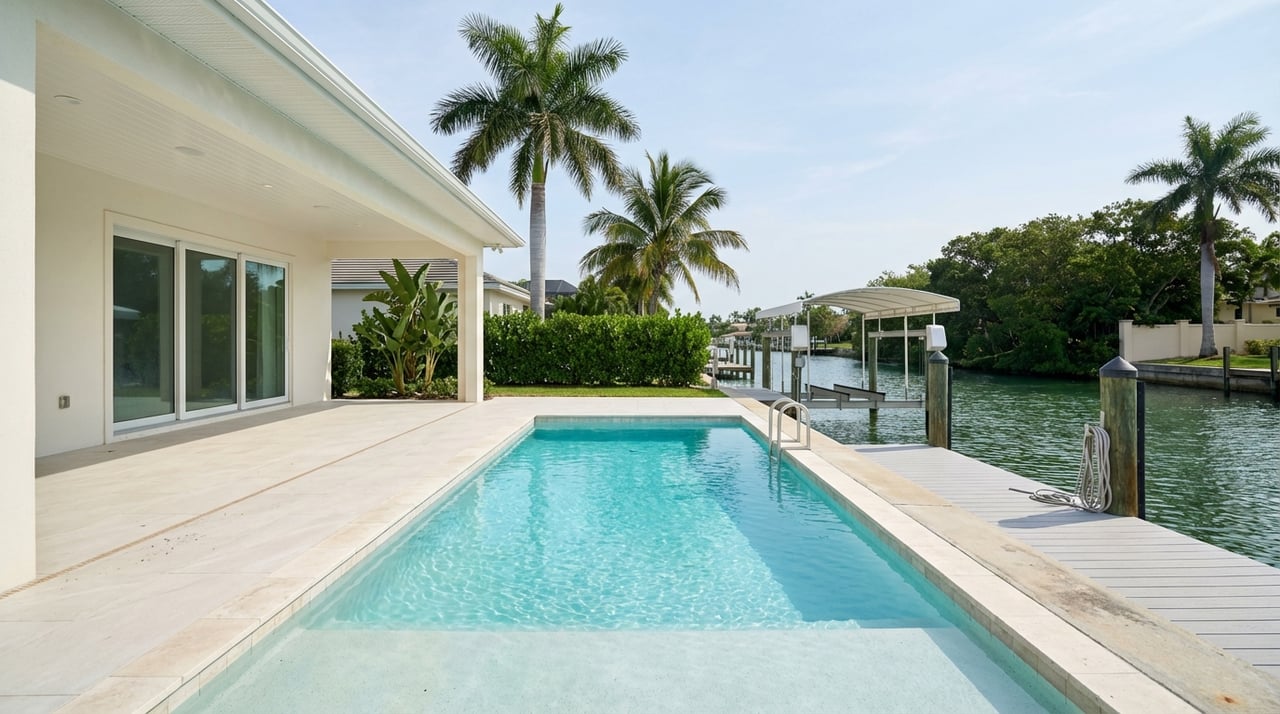
- Gulf‑access canalfront. These homes connect to marked channels that lead to San Carlos Bay and the Gulf. The route may be direct deep water or pass under fixed bridges with air‑draft limits.
- Interior canals or view‑only. Some homes offer a water view but no private dock, or a canal that is mainly scenic. They tend to price below direct boating options.
The more convenient the route for boating, the stronger the buyer pool that is willing to pay for it.
Boating access and time to open water
For many buyers, the biggest value lever is how quickly and easily you can reach San Carlos Bay and the Gulf. In Fort Myers, typical runs from many canal areas to open water are often in the 10 to 30 minute range depending on the slip location, bridges, and speed limits. Properties with direct deep‑water access and no fixed bridges usually sell at a premium because they fit larger boats and offshore plans.
If boating is part of your lifestyle or investment strategy, verify the details before you set a price or make an offer:
- Depth at Mean Low Water at the dock and along the route.
- Fixed bridge clearances at high tide, plus any no‑wake zones.
- Estimated minutes to the marked channel and to Sanibel or Fort Myers Beach.
- Who maintains the canal or channel and whether dredging is owner, HOA, or municipal.
Use the local NOAA tide station in Fort Myers to understand water‑level behavior, and pair that with charts and a real‑world test run when possible.
Views, orientation and frontage
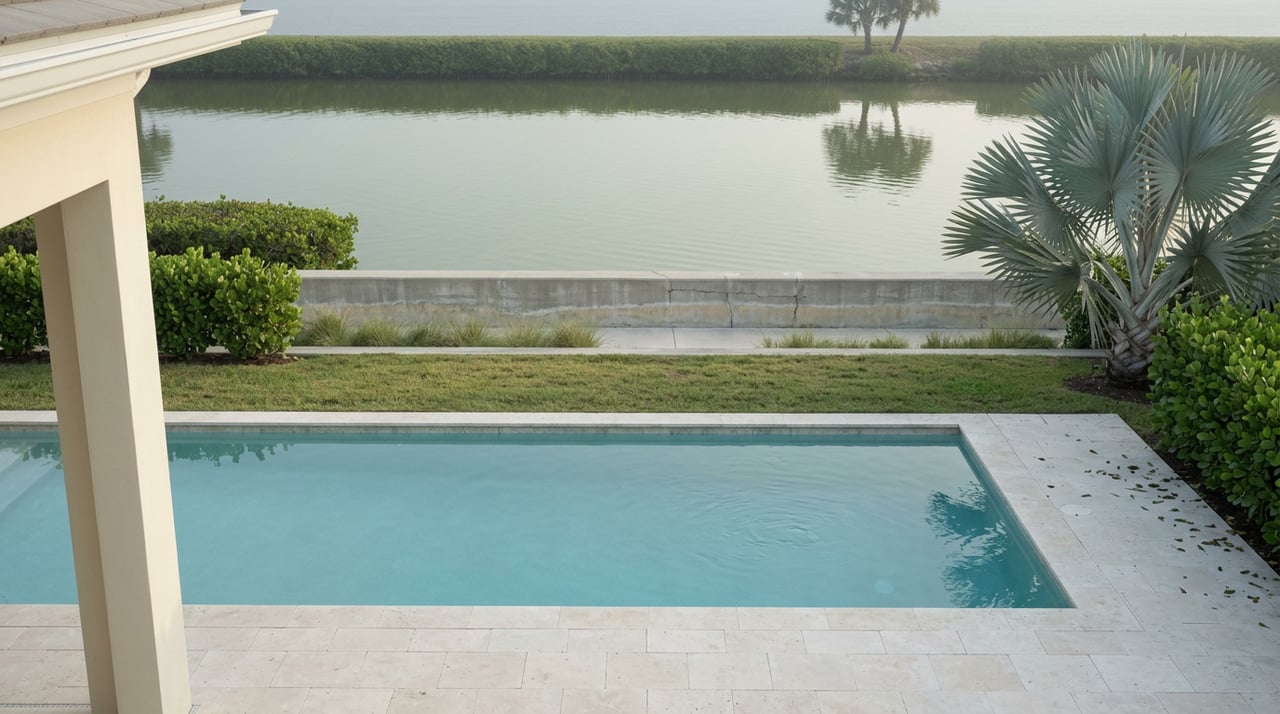
View quality is another clear price driver. A wide river or bay panorama typically beats a narrow canal sightline. Corner or point lots can offer multiple view corridors, which some buyers prize. Orientation matters too. Western exposure offers sunsets and afternoon light, while eastern exposure brings softer mornings and cooler afternoons.
Measured water frontage (linear feet) often weighs more than lot depth for boating and visual openness. Appraisal logic treats view and frontage as location and amenity differences that adjust comparable sales. You will often see stronger numbers where frontage is wide and unobstructed.
Docks, lifts and seawalls
Marine infrastructure affects both utility and price. A permitted dock with power, water, and a rated lift checks a major box for boaters. The opposite is also true. Old or unpermitted docks, corroding pilings, and leaning or cracked seawalls trigger deductions or repair demands in negotiations.
- Permits and condition. Ask for dock and seawall permits and any recent inspection or repair invoices. Lee County publishes Dock & Shoreline permitting guides that outline local requirements.
- Seawall rules. Florida statute governs shoreline protection. Depending on the setting, there may be limits on new vertical seawalls and a preference for riprap or living shoreline solutions. Review the framework in Florida Statutes Chapter 373 and ask for permit history.
- Costs. Site‑specific bids are essential, but industry guidance helps set expectations. Seawall repairs often run in the low‑hundreds to several hundreds of dollars per linear foot, with full replacements higher, according to a seawall repair cost overview. Private docks in Southwest Florida commonly range from the low tens of thousands to $100k+ based on materials, length, and lift capacity, per a Florida residential dock cost overview.
Buyers tend to deduct projected repair or replacement costs from offers. Sellers who document recent, permitted work often keep more control over pricing.
Flood zones, elevation and insurance
Most Fort Myers waterfront parcels sit in FEMA Special Flood Hazard Areas. If you finance a home in an SFHA, lenders require flood insurance. Today, FEMA’s Risk Rating 2.0 prices National Flood Insurance Program (NFIP) policies using property‑specific factors like distance to water, first‑floor elevation, foundation type, and replacement cost. Two nearby homes can have different premiums because of these details. The CRS summary of FEMA Risk Rating 2.0 explains the shift.
Practical steps to protect your budget and your deal:
- Pull the official zone at the FEMA Flood Map Service Center and ask for an Elevation Certificate if available.
- Request NFIP and private flood quotes early. Lenders follow federal rules on the mandatory purchase requirement outlined in the interagency Q&A on mandatory flood insurance.
- Check whether the community participates in FEMA’s Community Rating System, which can reduce NFIP premiums. See the Lee County flood protection page for local guidance.
Because Risk Rating 2.0 is property‑specific, these items can change carrying costs and impact what buyers are willing to pay.
Home condition and storm readiness
Insurance and peace of mind both improve when hurricane‑resilience is visible and documented. Buyers respond to recent roofs, impact‑rated windows and doors, elevated mechanicals, and permitted, code‑compliant repairs after storms. Keep copies of permits and warranties with the disclosure package. If you are buying, ask for them.
Neighborhood access and lifestyle
Waterfront buyers value more than the dock. Proximity to marinas, fuel and pump‑out services, marine contractors, and popular destinations like Sanibel and Fort Myers Beach adds lifestyle convenience. Downtown riverfront pockets can see added demand from walkable dining and arts venues. These location traits help explain why otherwise similar homes may trade at different prices.
Rules, permits and environmental factors
Regulatory context shapes both use and value, especially along the shoreline.
- Multi‑layer permitting. Docks, lifts, seawalls, dredging, and mangrove trimming can involve Lee County or municipal permits, Florida DEP review, and at times the US Army Corps. Start with county records and the Dock & Shoreline permitting guides.
- Mangroves. The state’s Mangrove Trimming & Preservation Act limits trimming and often requires a Professional Mangrove Trimmer or a permit. If a view is partially blocked, it may not be legal to remove those plants. Read the Florida DEP mangrove trimming FAQ and confirm prior trimming was permitted.
- Dredging. Depth maintenance is costly and not guaranteed. Responsibility varies by neighborhood or HOA, and permits generally involve DEP and sometimes federal review. Start with DEP’s A–Z index for agency contacts.
- Water quality events. Periodic red tide and other algal blooms can dampen short‑term demand and rental revenue. Local groups like SCCF track conditions. See their update on recent red tide conditions.
Price drivers in real scenarios
Consider two similar canalfront homes. One has direct deep‑water access, a newer permitted dock with a 16k‑lb lift, a recent seawall repair with documentation, and an Elevation Certificate that supports a favorable NFIP quote. The other requires passing a low fixed bridge, has an aging dock with unknown permit history, and no recent seawall records. Even if their interiors match, buyer demand and appraised value often diverge.
Why the spread?
- The first home fits larger boats and saves time to the Gulf.
- Documented marine work reduces perceived risk and repair deductions.
- Lower projected flood premiums improve monthly affordability.
Multiply those differences across view quality, frontage width, and proximity to marinas or downtown dining, and you can see why prices separate.
Buyer and seller checklists
Use these quick lists to keep value drivers front and center.
If you are buying
- Access and depth. Confirm low‑tide depths, bridge clearances and route time. Use the NOAA Fort Myers tide station for local water levels.
- Marine structures. Request dock and seawall permits, inspections, and repair invoices. Compare costs with local bids and industry ranges like seawall repair cost per foot and Florida dock cost guidance.
- Flood and insurance. Pull zones via the FEMA Flood Map Service Center, ask for an Elevation Certificate, and get quotes. Review lender requirements in the interagency flood insurance Q&A.
- Shoreline vegetation. If mangroves affect view or access, read the Florida DEP mangrove FAQ and verify trimming rights and permits.
- Permitting. Check the county’s Dock & Shoreline guides to understand what was approved and what future work may require.
If you are selling
- Assemble documents. Dock and seawall permits, contractor invoices, lift specs, and any recent inspections.
- Flood and elevation. Provide the Elevation Certificate if you have one, plus any recent NFIP or private quotes. Note any community CRS discounts listed on the Lee County flood page.
- Insurance and improvements. Highlight impact windows, roof age, elevated mechanicals, and permitted post‑storm repairs.
- Be transparent about constraints. Fixed bridges, no‑wake zones, mangrove trimming limits, or dredging responsibilities should be disclosed early to build trust and support pricing.
Smart upgrades that move the needle
When preparing a waterfront listing, prioritize items that improve insurability, usability, and buyer confidence:
- Structural and mitigation. A newer roof, impact‑rated openings, and documented, permitted repairs can streamline insurance and reduce buyer friction.
- Marine systems. A safe, permitted dock and lift in good condition, and evidence of recent seawall work, show clear value to boating buyers. If upgrades are needed, get local bids and use industry ranges like dock cost guidance and seawall repair costs to plan budgets.
- Turnkey presentation. Clean, functional kitchens and baths still help buyers say yes. Pair interior readiness with strong marine and mitigation documentation for the best overall impact.
Ready to compare two waterfront homes?
Every Fort Myers waterfront property tells a different story. When you focus on access, view and frontage, marine infrastructure, flood and insurance, and the local rules that shape use, you can price and negotiate with confidence.
If you want a second set of eyes on access routes, permit files, and insurance factors, our team is here to help. Connect with the local specialists at Pelican Vista Realty for a clear, step‑by‑step path to buying or selling on the water.
FAQs
What factors most affect Fort Myers waterfront value?
- Access to open water, view quality and frontage, dock and seawall condition, flood risk and insurance costs, and proximity to marinas or downtown amenities.
How do fixed bridges and no‑wake zones change price?
- They add time and limit boat height, which can shrink the buyer pool for larger‑boat owners and typically reduces price compared with direct deep‑water options.
What flood insurance details should I verify before I buy a waterfront home?
- Confirm the FEMA zone, get an Elevation Certificate, and request NFIP and private quotes, since Risk Rating 2.0 prices policies on property‑specific factors.
How can I check local tides and water levels for a canal home?
- Use NOAA’s Fort Myers tide station to see recent and predicted water levels and plan your boating route.
Do I need permits to trim mangroves blocking my view?
- Often yes. Florida’s Mangrove Trimming & Preservation Act sets height and trimming limits and may require a Professional Mangrove Trimmer or permit.
Who pays for dredging if a canal shoals over time?
- It varies by neighborhood. Responsibility can rest with owners, an HOA, or a municipality, and permits typically involve Florida DEP and sometimes federal review.