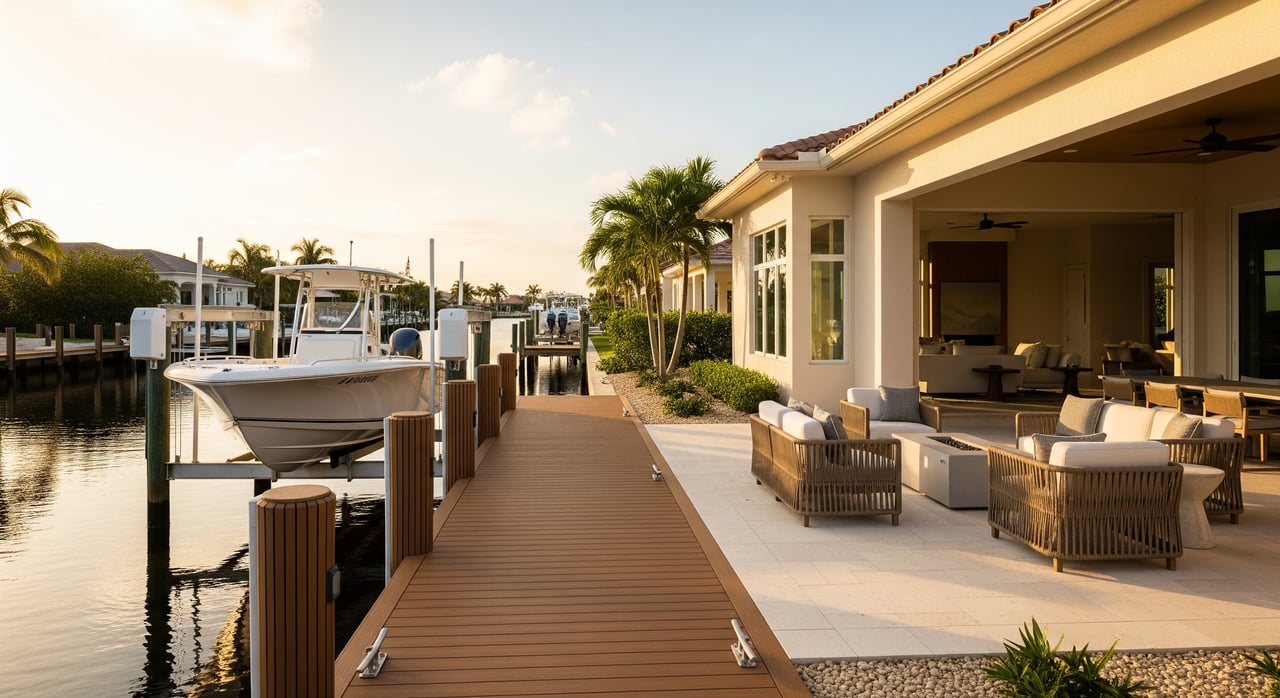
Imagine starting your morning with coffee on a shady lanai while herons glide across glassy water and a kayaker eases by. By midday, boats hum toward marina lunches and sandbar stops. As the sun dips, you swim, grill, and watch the sky turn coral over the canals. If you are wondering what canal-front life in Cape Coral really feels like, this guide walks you through a full day and the practical details that make it work. Let’s dive in.
Morning rhythm on the water
Early mornings are calm on many canals. You might see fishermen casting near seawalls and shorebirds like egrets and ibis working the edges. Cooler temperatures make it the best time for a jog, paddle, or just quiet time on the lanai.
Views vary by canal. Wider channels offer big-water vistas and more sunrise or sunset color. Narrow or dead-end canals feel more private with less boat wake, which many owners enjoy during morning coffee.
Midday movement and marina time
By late morning, boat traffic picks up. Families head out for nearshore fishing or simple sightseeing toward Pine Island Sound. Many residents stop for lunch at marina hubs that pair waterfront dining with fuel, slips, and dockside services.
Two popular examples are the shops and restaurants around Cape Harbour and the waterfront village at Tarpon Point Marina. These spots are social, practical, and central to the canal lifestyle. You can top off fuel, pick up provisions, or linger over a long lunch before an afternoon cruise.
Afternoon to sunset
Afternoons invite swims, paddleboarding, and relaxed time on the dock. Some main-water canals stay active later in the day, while smaller canals settle into a quieter pace. Many owners grill on the patio and watch dolphins or the occasional manatee in the right conditions and seasons.
Sunset is a highlight. Depending on canal orientation, you may watch the sun drop right down the canal or see a colorful glow across the water. Evenings bring a soft breeze, the sound of a few motors in the distance, and plenty of time to unwind.
How the canals connect
Cape Coral’s man-made canal network links neighborhoods to the Caloosahatchee River, which connects to Pine Island Sound and the Gulf of Mexico. Some canals are wide with easier navigation to open water. Others are shallow, narrow, or dead-end, which suits smaller boats and kayaks.
Tides and water levels vary. Before a new route, check NOAA nautical charts for depth, channels, and bridge clearances. Local marinas often post advice on shoaling and no-wake areas. A little planning makes day trips smooth and stress-free.
Boating basics and local rules
Registration and safety rules for motorized vessels are enforced by the Florida Fish and Wildlife Conservation Commission. If you plan to boat, review FWC boating regulations and safety education. You will also find rules about life jackets, towing, and wildlife protection.
Expect local no-wake zones and speed limits in narrow canals. Some bridges or canal widths limit boat size. At marinas, follow pump-out and sewage disposal rules, and respect posted signs for fuel docks and transient slips.
Parks, ramps, and community hubs
Public waterfront parks and boat ramps help fuel canal life, whether you live on the water or not. Cape Coral’s historic yacht club area and city-run amenities serve as gathering points for beach days, boat launching, and community events. For current park and permitting updates, visit the City of Cape Coral.
These amenities make it easy to meet friends by boat, join a paddle group, or set up a quick evening cruise after work.
Wildlife you may see
Canal living connects you with coastal wildlife. It is common to spot bottlenose dolphins, seasonal manatees in suitable areas, and a variety of shorebirds. Inshore fishing for species like snook, redfish, and seatrout is another draw for many residents.
Give wildlife space and enjoy encounters from a respectful distance. If you are new to the area, the FWC website is a good resource for viewing tips and fishing rules.
Environmental events to plan around
Harmful algal blooms can affect water clarity, smell, and swimming or boating conditions at times. Gulf red tide events and freshwater algal issues in estuaries are monitored by state and federal agencies. You can learn more about bloom science from NOAA’s HABs information and check statewide environmental updates through the Florida Department of Environmental Protection.
Most events are temporary, but it helps to stay aware. Local advisories guide day-to-day choices like where to boat, fish, or swim.
Buyer trade-offs and true costs
Waterfront property offers an everyday connection to nature and the water, and it generally carries a premium over inland homes. You should budget for higher purchase prices and potentially higher recurring costs. Property insurance and maintenance are two line items to plan for.
Two forms of insurance are common in coastal areas. Wind or hurricane coverage addresses storm risk, and flood insurance may be required by lenders if the property is in a designated flood zone. To see a property’s flood zone, review the FEMA Flood Map Service Center and ask your agent for local insurance contacts for quotes.
Maintenance must-knows
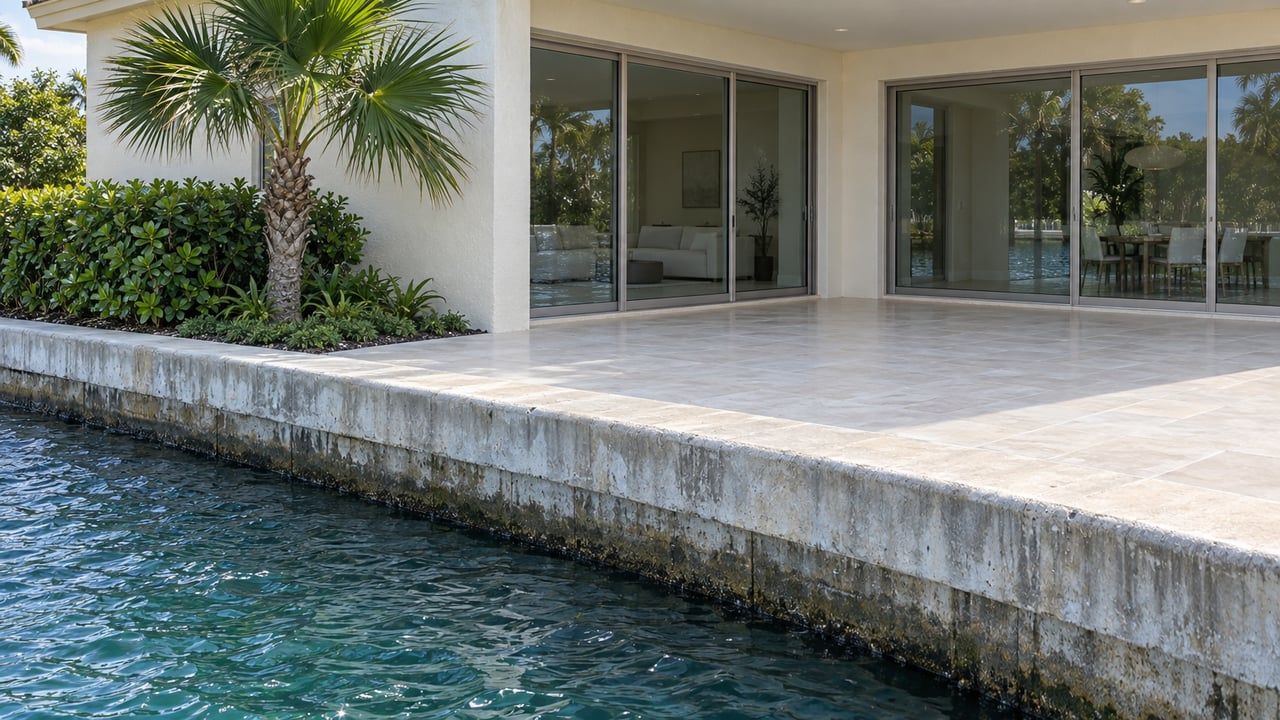
Most canal-front homes have a seawall, dock, and often a boat lift. Seawalls and pilings have a lifespan that depends on material, age, and storm exposure. Ask sellers for documentation of repairs, replacements, and any active permits.
For shoreline and seawall basics, the University of Florida’s Extension publications offer practical guidance. You can browse UF IFAS EDIS resources for seawall and coastal maintenance topics and use that background to inform inspections and quotes.
Permits, docks, and shoreline work
If you plan to add a dock, replace a seawall, or work near mangroves, expect permitting from city and state agencies. The City of Cape Coral handles many local building and planning permits, while the Florida Department of Environmental Protection regulates mangrove protection and coastal management.
Before you buy, verify that all existing structures were permitted and closed properly. During inspections, ask about the age and condition of the dock, lift, and seawall, plus any recent repair invoices.
Choose your canal style
Every canal feels different, and picking the right fit is part of the fun. Here is how to think about it:
- Wide or main-water canals. Bigger views, more passing boats, and faster access to the river. Expect more wake and a livelier soundtrack, especially on weekends.
- Quiet dead-end canals. Calmer water, fewer passersby, and an intimate setting. These canals can be ideal for paddling and relaxed dock time, with a trade-off of longer runs to open water.
- Bridge and depth limits. Some routes have fixed bridge heights or shallow sections that restrict boat size. Chart your path with NOAA resources and confirm details during due diligence.
Quick buyer checklist
Use this list as a starting point when you tour canal-front homes.
- Canal type. Confirm through-canal or dead-end, average boating time to open water, and any fixed bridge heights along your route.
- Dock and seawall condition. Look for documentation of repairs, replacements, and permits. Consider a specialist inspection for shoreline structures.
- Insurance readiness. Check flood zone status on the FEMA map and get quotes for both flood and wind coverage.
- Local rules and traffic. Ask about no-wake zones, peak boat times by season, and any HOA rules on boat size, lights, or dock placement.
- Environmental history. Review past water-quality advisories in the area and understand how recent events affected day-to-day life.
- Marina access. Note the nearest fuel, pump-out stations, and dining by water to simplify everyday use.
Your perfect canal day, realized
A day on Cape Coral’s canals feels relaxed, outdoor-focused, and connected to the water. You get coffee with birdsong, lunch by boat, and sunsets that slow the day. With the right canal choice and a clear plan for insurance, maintenance, and permits, you will enjoy the lifestyle with confidence.
If you are ready to explore canal-front homes or want advice on seawalls, dock features, and boating access, our boutique team is here to help. We combine neighborhood fluency with high-touch service and integrated owner support for buyers, seasonal residents, and investors. Connect with Pelican Vista Realty to map your path to the water.
FAQs
What does a typical canal day in Cape Coral feel like?
- Mornings are calm with wildlife and paddlers, midday brings more boats and marina lunches, and evenings are for swims, grilling, and sunset watching.
Can I reach the Gulf from any Cape Coral canal?
- Not always. Some canals are dead-end or have depth and bridge limits, so review NOAA nautical charts and confirm your route before buying.
Do I need permits to build a dock or trim mangroves in Cape Coral?
- Yes. The city manages local permits and the state regulates mangrove work, so check the City of Cape Coral and Florida DEP for requirements.
What wildlife will I see on the canals, and how should I view it?
- You may see dolphins, seasonal manatees, and shorebirds. Enjoy from a distance and review FWC guidelines for safe, responsible viewing.
How do red tide or algal blooms affect day-to-day canal living?
- Blooms can temporarily affect water clarity, smell, and recreation. Check updates from NOAA’s HABs site and the Florida DEP.
What insurance do I need for a canal-front home in Cape Coral?
- Most owners carry wind or hurricane coverage and flood insurance if required by their lender. Use the FEMA Flood Map to check flood zones and get local quotes.