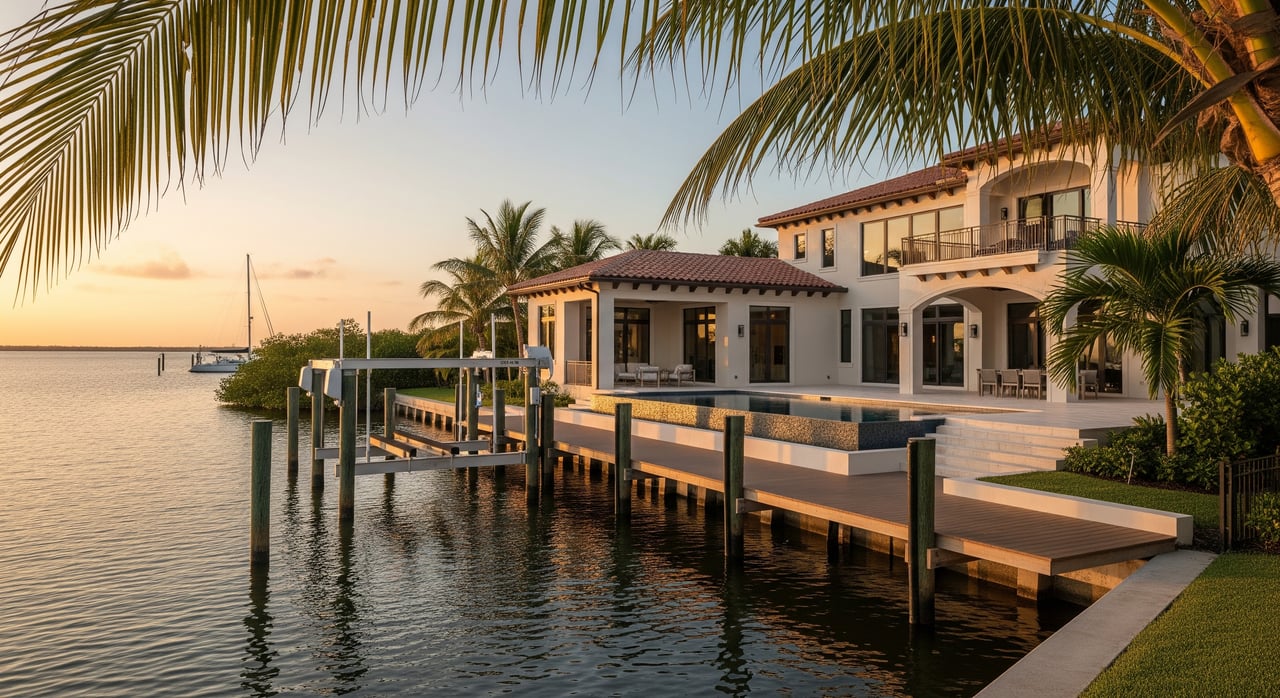
Imagine easing your boat off a private lift at sunrise and cruising the Caloosahatchee before breakfast. If you are shopping waterfront in Fort Myers, that dream is within reach, but the details matter. From flood zones and seawalls to dock permits and insurance, smart evaluation protects your lifestyle and your investment. In this guide, you will learn the essentials to compare waterfront homes with confidence, avoid surprises, and plan for long-term ownership. Let’s dive in.
Waterfront types in Fort Myers
Fort Myers offers several waterfront settings, each with different exposure, access, and upkeep. Understanding these differences helps you match the property to your boating and lifestyle goals.
Gulf and barrier-island influence
Open Gulf and barrier-island areas near Fort Myers Beach and Sanibel face stronger wave action and storm surge. Construction and rebuilding can be more tightly controlled in these settings. You should expect closer scrutiny on elevation, materials, and shoreline work, especially if a property falls under coastal construction controls.
Riverfront on the Caloosahatchee
Riverfront homes can offer wide views and active boating, along with bridges and navigation constraints. Freshwater discharges, boat traffic, and wake exposure can affect seawall wear and daily enjoyment. Check for bridge clearances and travel time to the Gulf if you plan to offshore fish or cruise.
Canal-front neighborhoods
Canal homes often bring quieter water and direct dockage at the property. Depth varies by canal, and some areas experience shoaling that can limit access at low tide. You should confirm who maintains dredging, how often it happens, and whether any assessments or HOA rules apply to your dock.
View-only or deeded slips
Some homes overlook water without private access, while others trade a private dock for a deeded marina slip. If you value boating flexibility, verify the slip size, power, lift permissions, and any rules or fees. Decide whether a view, a slip, or a private dock best fits your routine.
Flood, storms, and insurance
Waterfront ownership means planning for coastal weather and flood risk. Two tools can help you compare properties early in your search.
- Use the FEMA Flood Map Service Center to look up the current flood zone and Base Flood Elevation for any address. Zones like AE and VE may require flood insurance and stricter building standards.
- Explore long-term scenarios with the NOAA Sea Level Rise Viewer to understand potential inundation and nuisance flooding over time.
Flood insurance is often required by lenders in Special Flood Hazard Areas. The NFIP overview explains how policies are priced and why an Elevation Certificate can reduce uncertainty for lenders and insurers. Beyond flood, you will also need wind and hurricane coverage. Policies often include separate hurricane deductibles, and some owners use state-backed coverage when private options are limited. Lenders will ask for evidence of adequate coverage before closing.
Hurricane Ian in 2022 reshaped parts of Southwest Florida. When you evaluate a property, ask about storm history, scope of repairs, and the timing of code upgrades. Elevated homes, impact-rated openings, and updated roofs can improve safety, insurability, and long-term costs.
Rights, permits, and shoreline rules
Understanding where private rights end and public resources begin is essential in Florida’s coastal areas.
- Riparian and littoral rights often include access to the water and reasonable docking, but rights and limits vary by parcel. Review the deed, obtain a current survey showing the mean high water line, and confirm recorded easements.
- Seawalls, docks, lifts, and shoreline stabilization usually require permits. Start with Lee County Building and Permitting to review permit history and local processes.
- Mangrove trimming and shoreline work are regulated. Visit the Florida Department of Environmental Protection to understand trimming, stabilization, and Coastal Construction Control Line considerations.
- Some work may also involve the U.S. Army Corps of Engineers for navigable waters or wetland impacts.
Before you assume you can modify a dock or seawall, confirm existing permits and any recorded violations. If the property includes shared access, review those agreements.
Inspections that matter
A standard home inspection is not enough for most waterfront homes. Salt, humidity, and marine conditions add extra stress to structures and systems.
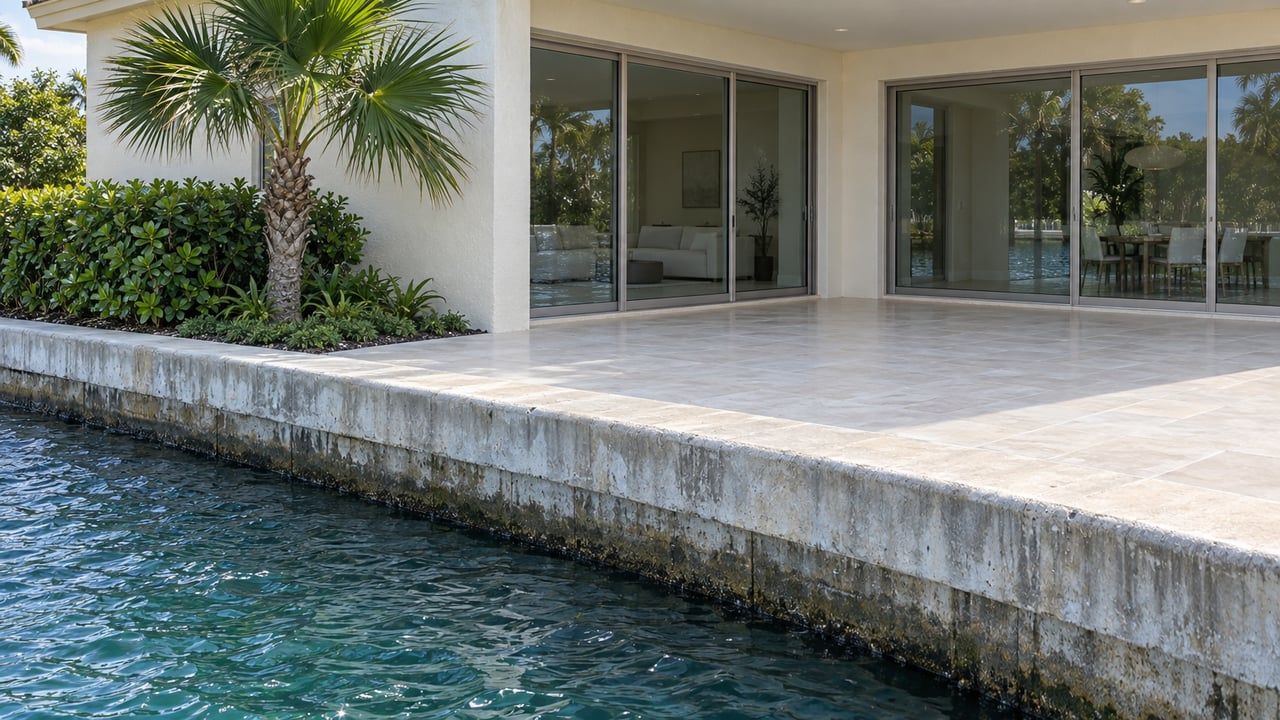
- Seawalls and shoreline: Look for movement, cracking at the cap, soil settlement behind the wall, and signs of undermining. If there is any doubt, hire a qualified marine or structural engineer and request repair estimates.
- Docks, lifts, and pilings: Check pilings for rot or corrosion, fasteners for rust, lift motors and wiring for corrosion, and decking for wear. Ensure the dock and lift match permitted dimensions.
- Structure and systems: Salt air speeds up corrosion of metal fasteners, HVAC parts, and exterior fixtures. Moisture brings a higher chance of mold and wood rot, so include moisture imaging and HVAC evaluations.
- Septic or sewer: Confirm central sewer or the exact septic type, age, pump-out history, and setback requirements. Waterfront proximity can trigger stricter repair standards.
Environmental quality can affect daily life. For red tide advisories and marine conditions, use Florida Fish and Wildlife Conservation Commission updates. For water-quality concerns or algal blooms, refer to state and county resources before closing.
Access and boating checks
Access is value on the water. Verify the full route from your dock to your destination.
- Depth and tides: Document channel depth at mean low tide if you run a deeper-draft boat. Check for local shoaling and recent dredging.
- Bridges and clearance: Measure the lowest bridge on your route and compare it to your boat’s air draft. If you plan to add a hardtop, account for future height.
- Marina and HOA rules: If your access relies on a community ramp or slip, confirm hours, fees, and any use restrictions.
A short, reliable route to the river or the Gulf often commands a premium. Make sure the property you choose fits your actual boating plans.
Financing and valuation
Lenders typically require flood insurance in mapped flood zones and may ask for an Elevation Certificate to price the risk. Some buyers explore private flood options, which can be competitive depending on elevation and building features. The Florida Office of Insurance Regulation provides state-level context on insurance markets.
Appraisals for waterfront homes rely heavily on comparable sales. Differences in water type, dockage, depth, and exposure can move value even within the same neighborhood. Strong seawall condition, wind mitigation features, and insurability can also support value and marketability.
Ask your agent to analyze recent waterfront sales and price per waterfront foot, along with days on market and post-storm trends. This helps you understand the true premium for direct access, view, and elevation.
Buyer checklist: what to obtain
Use this list to organize your due diligence from first showing through inspection.
- FEMA flood zone, Base Flood Elevation, and a current Elevation Certificate
- Recent survey showing mean high water line, corners, and any encroachments
- Permit and inspection history for the home, seawall, dock, and lift from Lee County Building and Permitting
- Title review for riparian rights and all recorded easements
- Insurance loss history and quotes for flood and wind coverage, plus wind mitigation reports
- Marine or structural engineer report on seawall and dock
- Standard home inspection, plus moisture, mold, electrical, and HVAC evaluations
- Septic inspection or confirmation of sewer connection and utility locations
- Canal or river dredging records and maintenance responsibility
- HOA or marina rules, fees, and any special assessments
Local tools and resources
These resources help you evaluate risk, permits, and environmental conditions before you commit.
- Look up flood maps and BFE at the FEMA Flood Map Service Center.
- Explore sea level and inundation scenarios with the NOAA Sea Level Rise Viewer.
- Confirm parcel details at the Lee County Property Appraiser.
- Review permit histories with Lee County Building and Permitting.
- Understand shoreline, mangrove, and CCCL rules at the Florida Department of Environmental Protection.
- Check whether federal permits apply through the U.S. Army Corps of Engineers.
- Monitor marine advisories and red tide via the Florida Fish and Wildlife Conservation Commission.
- Prepare for storms with the Florida Division of Emergency Management.
Finding the right Fort Myers waterfront home takes a clear process and local expertise. When you pair due diligence with strong guidance, you protect your lifestyle and your long-term value. If you want a team that lives this market and supports owners well after closing, connect with Pelican Vista Realty to start your search.
FAQs
What should Fort Myers waterfront buyers check first?
- Begin with the flood zone, Base Flood Elevation, and available Elevation Certificate, then review seawall and dock condition and confirm permit history.
How can I estimate flood insurance for a Fort Myers home?
- Use the FEMA flood zone and an Elevation Certificate to obtain quotes from the NFIP and private carriers, and compare coverage, deductibles, and exclusions.
Do I need special permits for a new dock or lift in Lee County?
- Most shoreline work requires permits through Lee County and may need state or federal review, so verify requirements before planning changes.
What are common seawall warning signs during showings?
- Look for cracking at the cap, leaning or bowing, soil settlement behind the wall, and water line erosion that suggests undermining or scouring.
How do bridge clearances affect boating from canal homes?
- Measure the lowest bridge along your route and compare it to your boat’s air draft, including any planned hardtops or towers, to avoid access limits.
Where can I check current red tide conditions near Fort Myers?
- Review marine advisories and updates from the Florida Fish and Wildlife Conservation Commission for current red tide activity before you buy or boat.