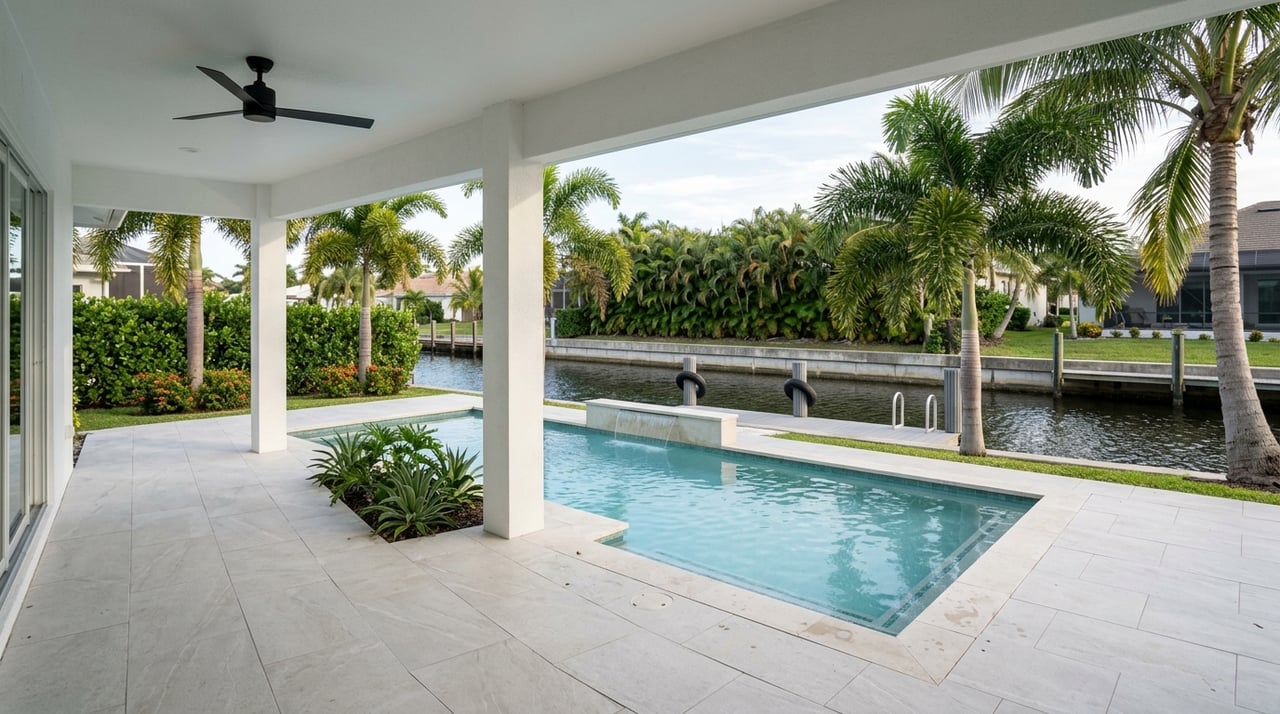
Wondering why two Cape Coral waterfront homes can feel so different, even when both say “canal access” in the listing? That confusion is common, especially if you are trying to balance boating, views, upkeep, and budget. The key is understanding that Cape Coral’s waterfront lifestyle is built around a large canal network, not one single type of shoreline. Once you know how the main neighborhood types work, you can narrow your search with more confidence. Let’s dive in.
Why Cape Coral waterfront is different
Cape Coral’s identity is closely tied to water. According to the city, Cape Coral has about 400 miles of canals overall, and the freshwater system alone includes about 300 linear miles. That network supports waterfront living and recreation, while also serving flood control, irrigation, and wildlife habitat.
For you as a buyer, that means “waterfront” is not just about being near water. It is about how a specific home connects to the canal system and whether that connection fits the way you actually want to live. A home that works well for daily boating may be very different from one that is better suited for kayaking, fishing, or simply enjoying the view.
Gulf-access neighborhoods explained
Gulf-access neighborhoods are the most talked-about waterfront category in Cape Coral. The city notes that many canals have direct access to the Caloosahatchee River and the Gulf of America. If you want to keep a boat behind your home and head toward open water without trailering, this is often the first category to consider.
That said, gulf access describes the route, not every detail of the trip. It does not automatically mean your boat has a bridge-free path, and it does not guarantee that every vessel type will fit the route comfortably. If boating is central to your plans, route length, bridge count, and dock setup matter just as much as the label itself.
Who gulf access fits best
Gulf-access homes are often the right fit if you plan to boat often and want the convenience of leaving from your own dock. This can be especially appealing if your goal is regular trips to the river or open water. It can also make day-to-day ownership feel more seamless if boating is part of your normal routine.
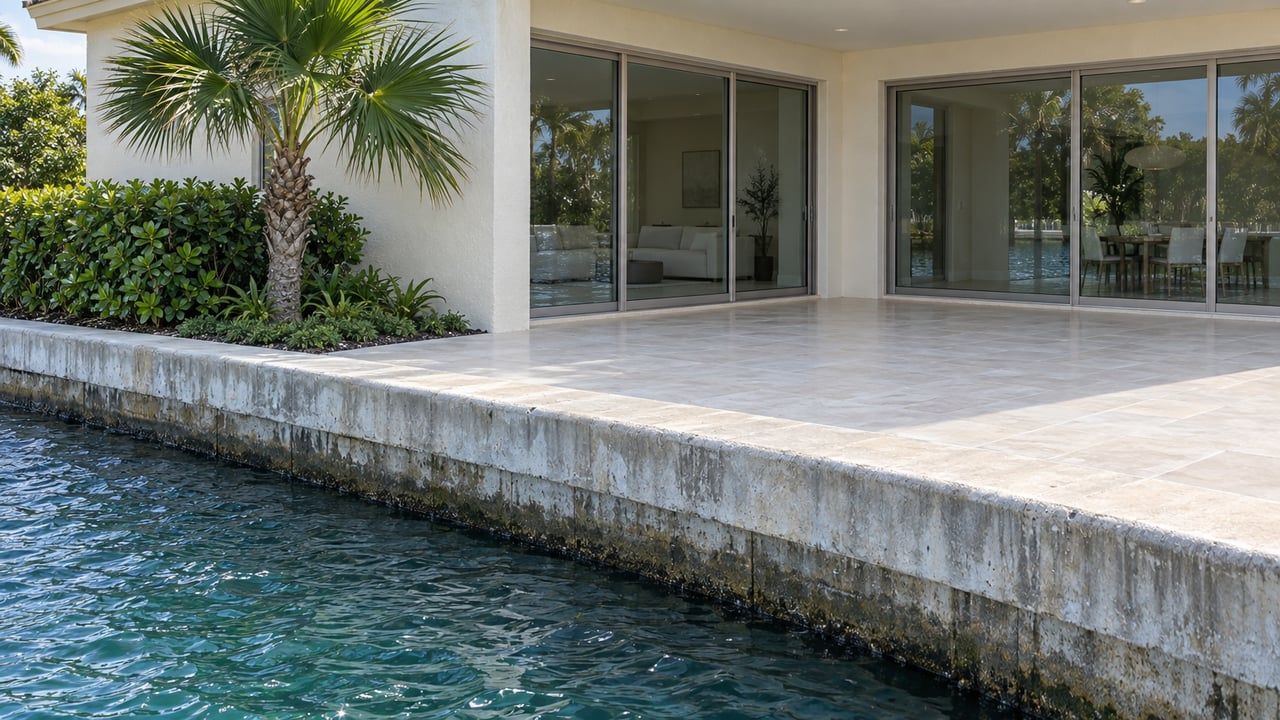
These homes can require more careful due diligence, though. On saltwater canals, shoreline features like seawalls are a visible part of the waterfront landscape, and some properties may also involve mangroves or shoreline stabilization considerations. That makes property condition and long-term maintenance part of the decision, not just the water access itself.
Sailboat-access neighborhoods explained
Sailboat access is a more specific waterfront category. A city redevelopment plan states that sailboat access is currently unique to neighborhoods with direct access to the Caloosahatchee River and Matlacha Pass. In simple terms, this is the route-sensitive version of direct access.
For many buyers, sailboat access is the term that matters most if they own a larger vessel or want to avoid bridge-clearance issues. Cape Coral also has 161 bridges, according to the city, so listing language alone should never be the final word. You will want to verify the actual route from the dock to open water and confirm that it works for your specific boat.
What to verify before you buy
If you are considering sailboat access, focus on practical details early in your search:
- Bridge clearance along the route
- Whether the path is truly bridge-free if that matters to your vessel
- Dock size and layout
- Canal width and turning room
- How long it takes to reach open water
A home can sound ideal on paper but feel very different once you match the route to your real boating habits. This is where local waterfront guidance becomes especially valuable.
Freshwater canal neighborhoods explained
Freshwater canal neighborhoods are part of a separate citywide system. Cape Coral says the freshwater canal network includes about 300 miles and helps collect stormwater runoff, store it, and transfer it gradually to tidal canals. The city also states that seawalls are not required for properties on freshwater canals.
For many buyers, freshwater canal homes offer a different kind of waterfront appeal. If your priorities lean more toward water views, fishing, kayaking, or a quieter canal setting, this category may be a strong match. The experience is still waterfront living, but usually with less emphasis on direct open-water boating.
Why some buyers prefer freshwater canals
Freshwater canal homes can feel simpler from a maintenance perspective. Since the city says seawalls are not required on freshwater canals, the shoreline profile may be less complex than what you often see on saltwater canal properties. For some buyers, that difference is a major plus.
This category can also appeal if you want the visual and recreational benefits of living on the water without centering your home search around route planning to the river or gulf. It is a good reminder that not every Cape Coral waterfront lifestyle looks the same.
Inland neighborhoods near marinas and ramps
You do not have to buy canal-front property to enjoy boating in Cape Coral. The city’s Marine Services Division oversees Rosen Park Marina and several boat ramps, including freshwater access at BMX Boat Ramp. The city says Rosen Park includes a 20-slip marina for live-aboard vessels up to 40 feet, and Slipaway offers a full-service marina with 30 boat slips and a fuel dock on the Caloosahatchee River.
For some buyers, a non-waterfront home near a marina or ramp is the better fit. This option can make sense if you want to simplify maintenance, widen your home choices, or keep your boating setup separate from the house itself. It can also work well if you use your boat regularly but do not need it behind your home every day.
Budget and convenience tradeoffs
The city notes that all Cape Coral boat ramps are accessible 24/7 unless closed for safety or repairs. That gives non-waterfront boaters real flexibility. At the same time, the city’s improved-ramp parking program currently charges a $15 daily trailer parking fee, so it is smart to factor that into your budget.
This neighborhood type often comes down to convenience versus upkeep. If you would rather launch from a ramp or keep your boat at a marina than manage a canal-front property, inland living may offer a practical path to the same broader lifestyle.
How to choose the right waterfront type
The easiest way to narrow your search is to start with your habits, not the listing language. Ask yourself how often you plan to boat, what type of boat you have, and whether you want to launch from home or are comfortable using a marina or ramp. Those answers usually point you toward the right neighborhood type faster than broad terms like “waterfront” or “gulf access.”
A helpful framework is to think through these filters:
- Boating pattern: frequent open-water trips, occasional boating, or no boating at all
- Boat fit: vessel size, bridge needs, and dock requirements
- Maintenance comfort: seawall, shoreline, and saltwater upkeep versus a simpler shoreline profile
- Lifestyle goal: active boating, relaxed water views, paddling, fishing, or mixed-use ownership
- Budget priorities: canal-front convenience versus inland flexibility with marina or ramp access
Due diligence that matters in Cape Coral
Once you find a neighborhood type that matches your goals, the next step is property-specific due diligence. The city says its canals help protect homes from floods, and community resilience materials encourage science-based risk assessment and avoiding floodplain exposure when possible. That means your home search should include a close look at elevation, flood risk, and the condition of any dock, seawall, or shoreline treatment.
If you plan to boat often, local rules also matter. Cape Coral requires a boating safety course for people born on or after January 1, 1988. The Florida Fish and Wildlife Conservation Commission also sets manatee protection rules that can restrict speed, entry, or activities in sensitive waters.
These details may not define the neighborhood category, but they absolutely shape the day-to-day ownership experience. A smart waterfront purchase is about matching the property to both your lifestyle and the realities of the waterway system.
Why local guidance helps
Cape Coral’s canal system offers real variety, which is great for buyers but can also make the search feel more layered. A gulf-access home, a sailboat-access property, a freshwater canal lot, and an inland home near a marina can all support a waterfront lifestyle in very different ways. The best choice is the one that fits how you plan to use the property, what kind of upkeep you want, and how you define convenience.
At Pelican Vista Realty, we help buyers look beyond labels and focus on what matters in real life, from canal type and route questions to seawall considerations and long-term ownership goals. If you are exploring Cape Coral waterfront options, connect with Pelican Vista Realty to find the neighborhood type that truly fits you.
FAQs
What does gulf access mean for a Cape Coral home?
- Gulf access means the canal route connects to the Caloosahatchee River and the Gulf of America, but it does not automatically guarantee a bridge-free path or the right fit for every boat.
What does sailboat access mean in Cape Coral neighborhoods?
- Sailboat access refers to neighborhoods with direct access tied to the Caloosahatchee River and Matlacha Pass, and it is the category most relevant if bridge clearance or larger-vessel routing matters to you.
What makes freshwater canal homes different in Cape Coral?
- Freshwater canal homes are part of a separate canal network that supports stormwater management and irrigation, and the city states that seawalls are not required on freshwater canal properties.
Can you enjoy boating in Cape Coral without a waterfront home?
- Yes. The city provides public boat ramps and marina options, so some buyers choose inland homes and still enjoy boating through launch access or slip rental.
What should you verify before buying a Cape Coral waterfront property?
- You should verify canal type, route to open water, bridge count and clearance, dock fit for your boat, flood risk, and the condition of any seawall, dock, or shoreline treatment.