Trying to choose between Cape Coral and Naples for a vacation rental investment? You are not alone. Both markets sit in Southwest Florida’s strong visitor corridor, but they serve different guests, require different budgets, and can lead to very different ownership strategies. If you want to compare entry cost, demand patterns, rental rules, and property fit, this guide will help you sort through the tradeoffs. Let’s dive in.
Start With Your Investment Goal
Before you compare listings, ask yourself what kind of vacation rental business you want to own. Some investors want a lower entry point with room to scale, while others want a premium address that can support higher seasonal rates.
That is the core difference between Cape Coral and Naples. Cape Coral tends to appeal to investors looking for canal-front homes, family travel demand, and a more flexible short-term rental setup. Naples is the premium benchmark, with a much higher acquisition cost and a visitor base tied closely to beaches, dining, shopping, and seasonal luxury travel.
Compare Entry Budget First
For many investors, budget is the clearest dividing line. In April 2026, Cape Coral’s median sale price was $360,000. In March 2026, Naples’ median sale price was $1.175 million.
That price gap changes your options right away. In Cape Coral, you may be able to enter the market with a single-family home at a far lower cost than a comparable Naples investment. In Naples, the higher barrier to entry can mean fewer acquisition choices, larger cash requirements, and a smaller margin for operating mistakes.
Cape Coral Demand Profile
Cape Coral’s tourism identity is built around water. The market is known for canals, boating, waterfront homes, parks, water sports, and family-friendly attractions.
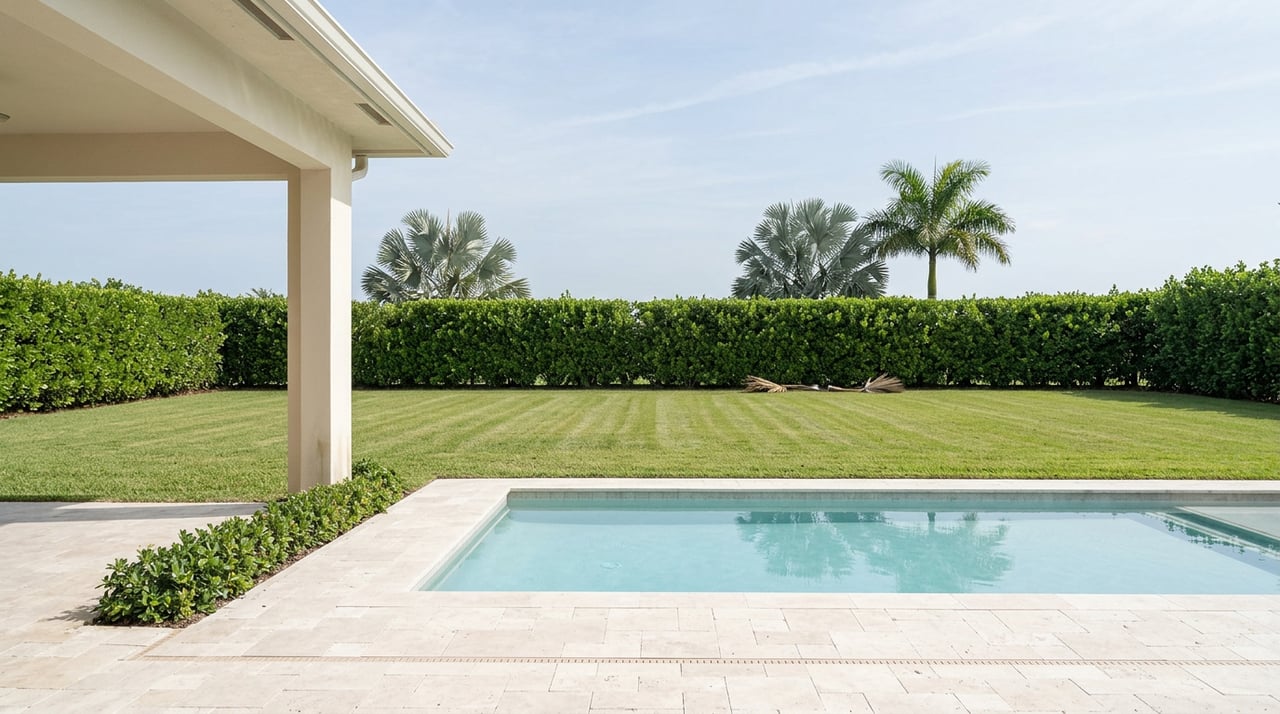
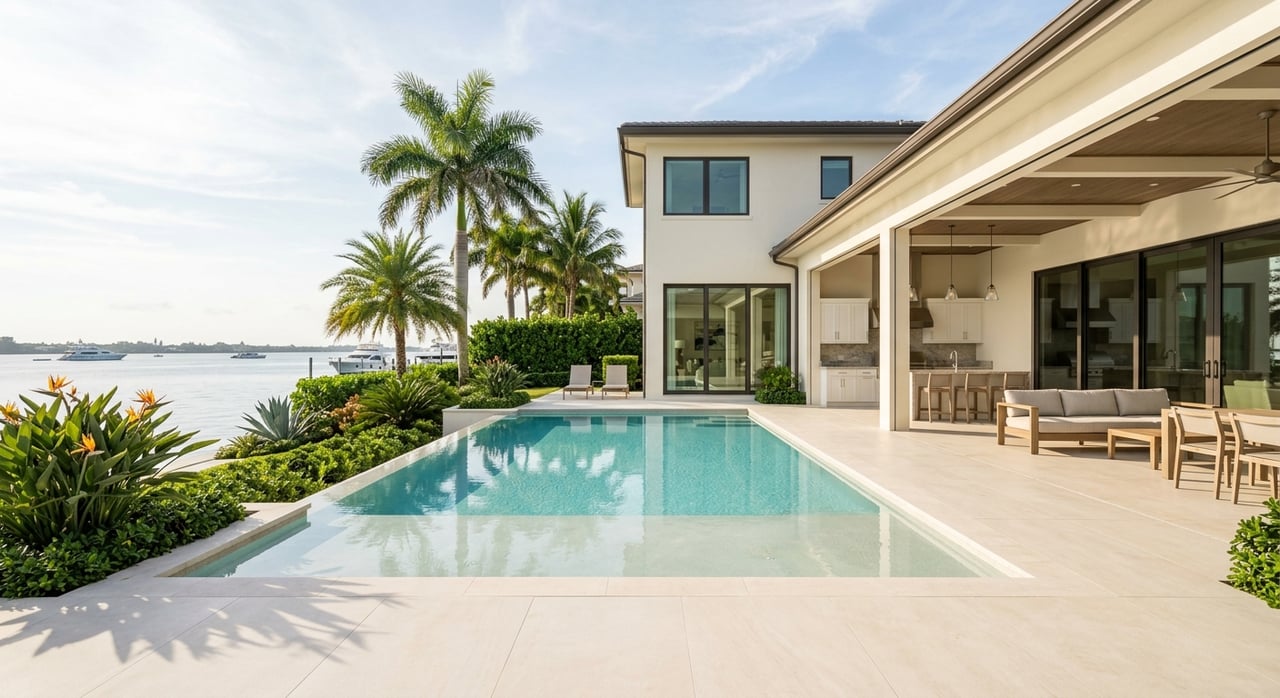
That matters because the best-performing vacation rentals usually match what guests already expect from the destination. In Cape Coral, that often means a single-family home with a pool, outdoor living space, and, when possible, dock or boating access.
Lee County’s 2025 visitor research also gives useful insight into who is coming to the area. Top trip influences included warm weather at 87%, peaceful and relaxing surroundings at 86%, and a safe destination at 82%.
The travel mix also supports a broad guest base. Average party size was 2.8 people, with 39% traveling as couples and 35% as families. Another 28% traveled with children under 18, which supports Cape Coral’s fit for homes with multiple bedrooms, pools, and outdoor space.
Naples Demand Profile
Naples attracts a different kind of traveler. Its visitor economy centers on beaches, shopping, dining, art, and golf, with major attention on areas such as Fifth Avenue South, Third Street South, and premium beach access.
The activity mix reflects that positioning. A 2023 visitor activity report showed 79% of visitors went to the beach, 73% dined out, 46% enjoyed water activities, and 40% shopped or antiqued.
This points to a more experience-driven and higher-spend leisure guest. In February 2026, Collier County hotel occupancy reached 80.5%, and average daily rate hit $487.60, which shows how strong premium season pricing can be in the Naples area.
Seasonality Looks Different
Both markets benefit from Southwest Florida’s winter appeal, but they do not monetize the same way. Cape Coral leans more toward longer winter stays, while Naples shows a sharper premium season.
In Lee County, January through March visitors stayed an average of 7.9 nights. Other quarters came in shorter at 5.7, 5.6, and 6.3 nights. That suggests Cape Coral often fits a longer-stay model rather than a quick-turn vacation pattern.
Naples shows stronger rate compression during peak season. Collier County hotel occupancy was 80.5% in February 2026, compared with 56.3% in October 2025. That kind of swing supports a more seasonal pricing strategy, especially for properties aligned with beach and dining demand.
Rental Rules Matter More Than Many Investors Expect
If you are comparing these markets strictly on potential income, stop and review the local rental framework first. The operating rules can reshape your entire strategy.
In Cape Coral, all residential rentals must register annually. The city defines short-term rentals as those rented for six months or less, and the annual short-term rental fee is $350.
That setup is more registration-focused than stay-length-restrictive. For many investors, this makes Cape Coral easier to model as a traditional short-stay or weekly rental market.
Naples, especially in the City of Naples, is different. The city states that a dwelling may generally be rented for less than 30 days only three times per calendar year. After that, minimum 30-day rentals apply, and sub-30-day availability may not be advertised.
That single rule can dramatically affect your plan. If you are hoping to run frequent short stays, a property in Naples city limits may not match your goals. In many cases, it fits better as a monthly or seasonal rental play.
State and Tax Basics
At the state level, Florida DBPR treats a vacation rental as a transient public lodging establishment when the whole unit is rented more than three times in a calendar year for periods of less than 30 days. Florida sales tax and county transient rental tax also apply to stays of six months or less.
Both Lee County and Collier County currently show 5% local transient rental tax rates, and neither county currently has a discretionary sales surtax. These costs should be part of your underwriting from the start, not added later as an afterthought.
Property Type Should Match the Market
Not every property in a vacation rental market is equally well positioned. In both Cape Coral and Naples, the strongest inventory tends to mirror what visitors are already seeking.
In Cape Coral, that usually means:
- Canal-front single-family homes
- Private pools
- Covered outdoor living areas
- Dock or boating access when available
- Layouts that work for couples, families, or small groups
In Naples, the best-aligned options are often:
- Beach-adjacent condos
- Condo-style suites
- Higher-end homes near downtown areas
- Properties close to beach access, dining, and shopping corridors
- Seasonal luxury inventory that supports premium positioning
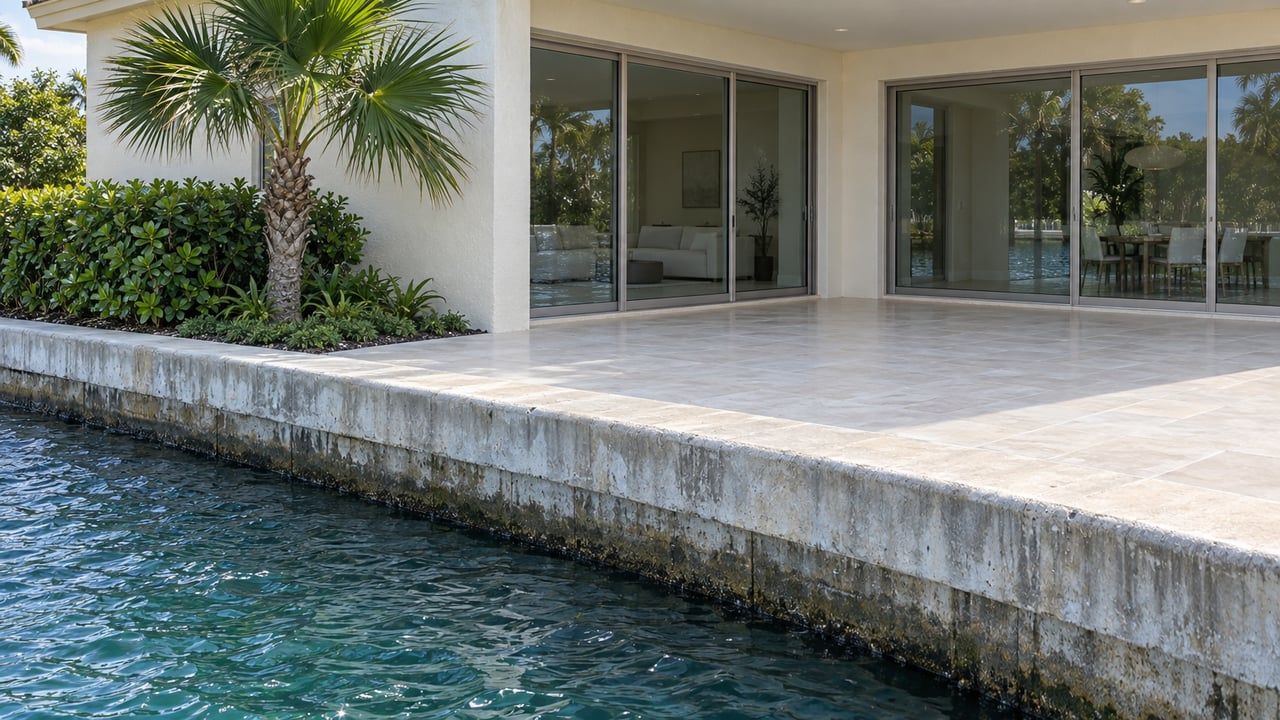
This is where local knowledge matters. In Cape Coral especially, details like canal location, boating access, seawall condition, and outdoor layout can make a real difference in guest appeal and long-term ownership costs.
Competition Is Not the Same
Naples appears to be the more mature and competitive short-term lodging market. As of March 1, 2026, the city had 10,624 licensed transient rental units, including 3,562 vacation-rental licenses.
That does not automatically make Naples a poor investment choice. It does mean you are stepping into a market with more established supply, stronger luxury expectations, and a higher cost basis.
Cape Coral competes differently. It benefits from Lee County’s large tourism engine, which reported 3.32 million visitors, 4.74 million room nights, and $3.31 billion in visitor spending in 2025. For investors, that supports meaningful demand without requiring Naples-level acquisition pricing.
Which Market Fits Your Strategy?
The right choice depends less on which city is “better” and more on which model fits your capital, risk tolerance, and operating style.
Choose Cape Coral if you want
- A lower acquisition budget
- A canal-front or waterfront single-family home strategy
- Family and couple demand tied to boating and outdoor living
- Longer winter stays as part of the income mix
- A market that is generally more practical for short stays
Choose Naples if you want
- Exposure to a luxury leisure market
- Beach, dining, shopping, and golf demand drivers
- Stronger premium-season rate potential
- A property positioned for monthly or seasonal use in city limits
- The ability to carry a much higher purchase price
A Practical Investor Takeaway
If you are looking for a more approachable entry point with strong alignment to vacation-home demand, Cape Coral often stands out. The combination of lower median pricing, canal-front lifestyle appeal, and a simpler local rental framework gives many investors a clearer short-term rental path.
If you are drawn to prestige pricing and premium seasonal demand, Naples can be compelling. You just need to go in with a larger budget and a sharper understanding of municipal rental restrictions, especially within the City of Naples.
For many buyers, the smarter first step is to decide what you want your property to do. Do you want a weekly rental-friendly canal home with boating appeal, or a higher-cost seasonal asset tied to luxury travel patterns? Once that answer is clear, the market choice usually becomes much easier.
If you want help comparing canal-front opportunities, underwriting a Cape Coral vacation rental, or planning for ongoing support after closing, Pelican Vista Realty can guide you with local insight, investor-focused advice, and property management support.
FAQs
What is the main difference between Cape Coral and Naples for vacation rental investors?
- Cape Coral generally offers a lower entry price, canal-front home appeal, and a more flexible short-term rental setup, while Naples offers a higher-cost luxury market with stronger seasonal pricing and tighter rules in the City of Naples.
What are current home price differences between Cape Coral and Naples?
- Cape Coral’s median sale price was $360,000 in April 2026, while Naples’ median sale price was $1.175 million in March 2026.
What kind of vacation rental works best in Cape Coral?
- A canal-front single-family home with a pool, outdoor living space, and, if possible, dock or boating access tends to best match Cape Coral’s visitor demand.
What kind of vacation rental works best in Naples?
- Beach-adjacent condos, condo-style suites, and higher-end homes near downtown, dining, shopping, and beach access areas are generally the best-aligned property types in Naples.
How do rental rules differ between Cape Coral and the City of Naples?
- Cape Coral requires annual rental registration and treats short-term rentals as stays of six months or less, while the City of Naples generally allows rentals of less than 30 days only three times per calendar year before 30-day minimums apply.
Are Cape Coral and Naples both seasonal vacation rental markets?
- Yes. Both are winter-weighted, but Cape Coral tends to support longer winter stays, while Naples shows a sharper premium season with stronger peak pricing.
What taxes should vacation rental investors expect in Lee and Collier counties?
- For stays of six months or less, Florida sales tax applies along with county transient rental tax, and both Lee County and Collier County currently show 5% local transient rental tax rates.